
Small Business Home Operator

What this page covers
Small Business Home Operator
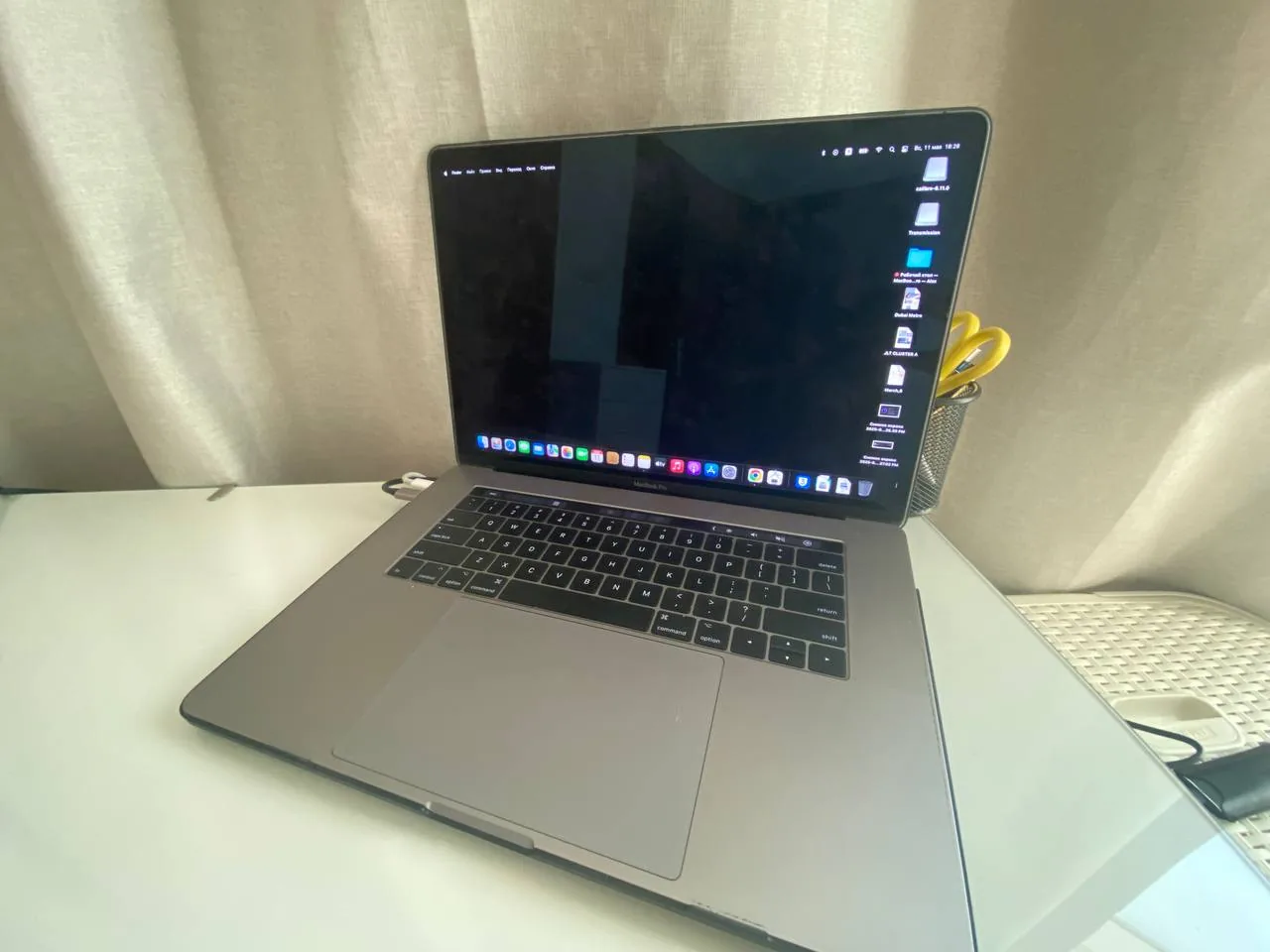
If you run a small business from home, you may feel your living and working space filling up with rarely used items, packaging and supplies. It can be hard to justify keeping bulky things that crowd your apartment and still stay focused on your work.
A practical first step is to look at what can be reused, repaired or rehomed instead of stored or thrown away. You can start by mapping out a simple share–reuse–repair plan for your home business so that useful items move on to others through tools like the Hiiba app, and your space stays flexible over time.
In brief
- You may be looking for a simple way to clear space in a compact home while still keeping the tools, stock and equipment your business needs, and to pass on items like clothes, books, kitchenware or small electricals that no longer fit your setup.
- A format that can fit this situation is a clear reuse and rehoming routine, where suitable items are set aside for giving away, swapping or recycling, and you use a straightforward guide or app to decide what can be shared and what should be recycled.
- Before you start, it helps to check which categories of items are appropriate for rehoming, which local reuse or recycling options accept materials like plastics or fabrics, and how much time you can realistically spend on pickups, drop‑offs or coordinating exchanges.
What to do
As a small business home operator, your apartment often has to do double duty as office, storage and living space. Limited storage can leave you surrounded by boxes, tools and supplies, including things you only use occasionally. Over time, this can make the space feel cluttered and less workable for both your business and your household.
One way to respond is to use a share–reuse–repair style approach for everyday items connected to your work and home. Items such as clothes, toys, books, shoes, small electricals, bed linen, towels, kitchenware, tools and power tools can be sorted into what is perfect for rehoming and what is better suited for recycling. Worn fabrics, damaged items, duvets, pillows or broken furniture may be more appropriate for recycling or disposal according to local rules than for passing on.
To start carefully, you can develop a simple reuse plan for your home: decide which categories you will review first, set aside a small amount of time to sort, and check local guidance on what can be reused or recycled. From there, you can gradually give away items that no longer fit your space using community tools such as the Hiiba app, and adopt only what you currently need, keeping your home business area more manageable over time.
What to keep in mind
Any reuse or decluttering plan for a home business needs to stay practical. Not every item will be suitable for rehoming, and some things, especially worn or damaged pieces, may only be appropriate for recycling or disposal according to local rules. It is normal if progress feels gradual rather than instant.
There can also be limits based on what services exist near you and how much time you have. Some materials, such as certain plastics or fabrics, may only be accepted by specific programs, and coordinating pickups or drop‑offs has to fit around your working hours. Checking local reuse and recycling guidance before acting can help you avoid extra effort that does not pay off.
Given these realities, a modest next step is reasonable: focus on one area of your home business space, identify a few items that are clearly ready to move on, and decide whether they are better for rehoming or recycling. You can then test a digital tool like Hiiba to see how listing and adopting items fits your routine, and adjust your approach as you learn what works best for your situation.
