
Shared Office Resident

What this page covers
Shared Office Resident
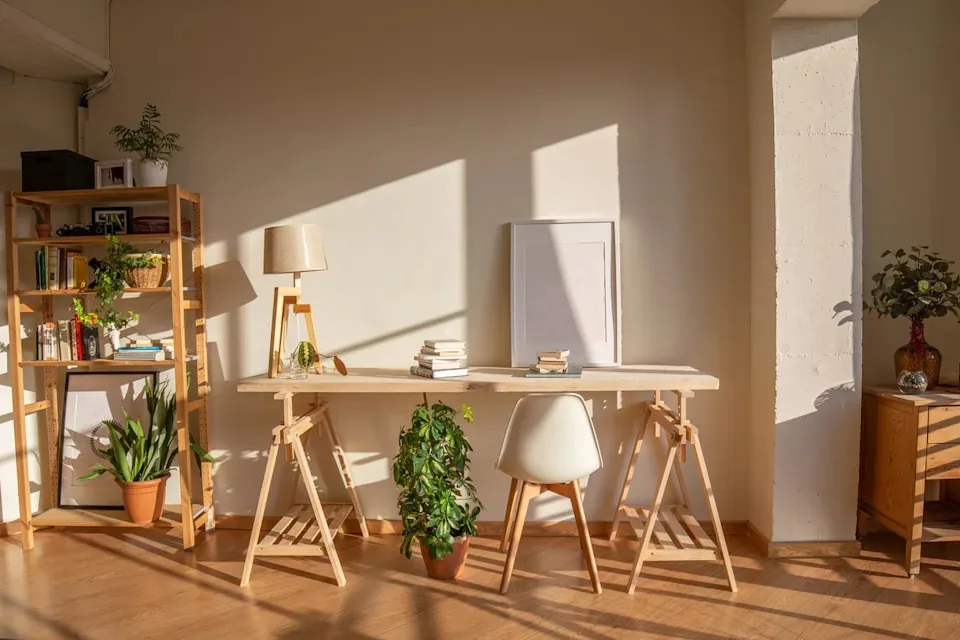
If you work from a shared office and see cupboards, drawers or storage corners slowly filling with unused items, you may be wondering how to clear space without simply throwing everything away. It can feel wasteful, and coordinating what to do with each item takes time you do not really have during the workday.
A practical first step is to separate what could be rehomed from what really needs recycling, and then use a simple, organised way to pass things on so they stay in the circular economy for as long as possible. You do not have to solve everything at once; starting with one small category in your office is enough.
You may be looking for a way to move on usable items from your shared office, such as clothes, books, kitchenware or small electricals, so they do not sit unused in cupboards or end up in the bin.
In brief
- You may be looking for a way to move on usable items from your shared office, such as clothes, books, kitchenware or small electricals, so they do not sit unused in cupboards or end up in the bin.
- A good fit can be a reuse and rehoming approach where suitable items are collected and redistributed locally, while damaged or worn pieces are directed into recycling or redesign instead of landfill.
- Before you start, it helps to check which categories are accepted for rehoming or recycling, and to make sure items are clean, safe to handle and allowed to be removed from your office by your building or community rules.
What to do
As a shared office resident, you often inherit a mix of things: forgotten clothes from events, books, office kitchen items, spare tools or decor that no one quite owns. Storage is limited, and yet it feels wrong to throw away items that could still be useful to someone else in your community.
Hiiba focuses on keeping items in the circular economy by rehoming what is still usable and recycling what is not. Items such as clothes, toys, books, shoes, small electricals, bed linen, towels, kitchenware, tools, fabric and rags can be suitable for collection and rehoming when they are in reasonable condition. Worn books, duvets, pillows, some furniture, broken or damaged items and baby car seats are more likely to go into recycling or redesign, where materials can be turned into new products or fibres through partners and workshops.
To start carefully in your shared office, pick one small area, like a storage cupboard or kitchen shelf, and sort items into two groups: clearly reusable and clearly damaged. From there, you can plan a single handover or collection instead of many small trips. This helps you free up space while giving items a chance at a second life, whether through local distribution, events or recycling channels.
What to keep in mind
Hiiba’s approach is designed for people who want to keep items circulating for as long as possible, rather than sending them straight to waste. It works best when items are clean, safe and still functional, so they can realistically be rehomed or processed into something new.
Not every item from your shared office will be suitable for rehoming. Some categories, like broken or heavily damaged items, certain furniture pieces, duvets, pillows or baby car seats, are more appropriate for recycling or may not be accepted at all. Any chemicals, food, or unsafe electricals should be handled according to your building’s safety and disposal rules, not through reuse channels.
Because Hiiba works through local distribution, stores, events and recycling partners, availability and exact handling can vary. Treat this as a way to reduce waste and support circular use of office items, not as a guaranteed solution for every object. Starting with a small batch and checking what can be accepted is a reasonable way to see how it fits your shared office.
