
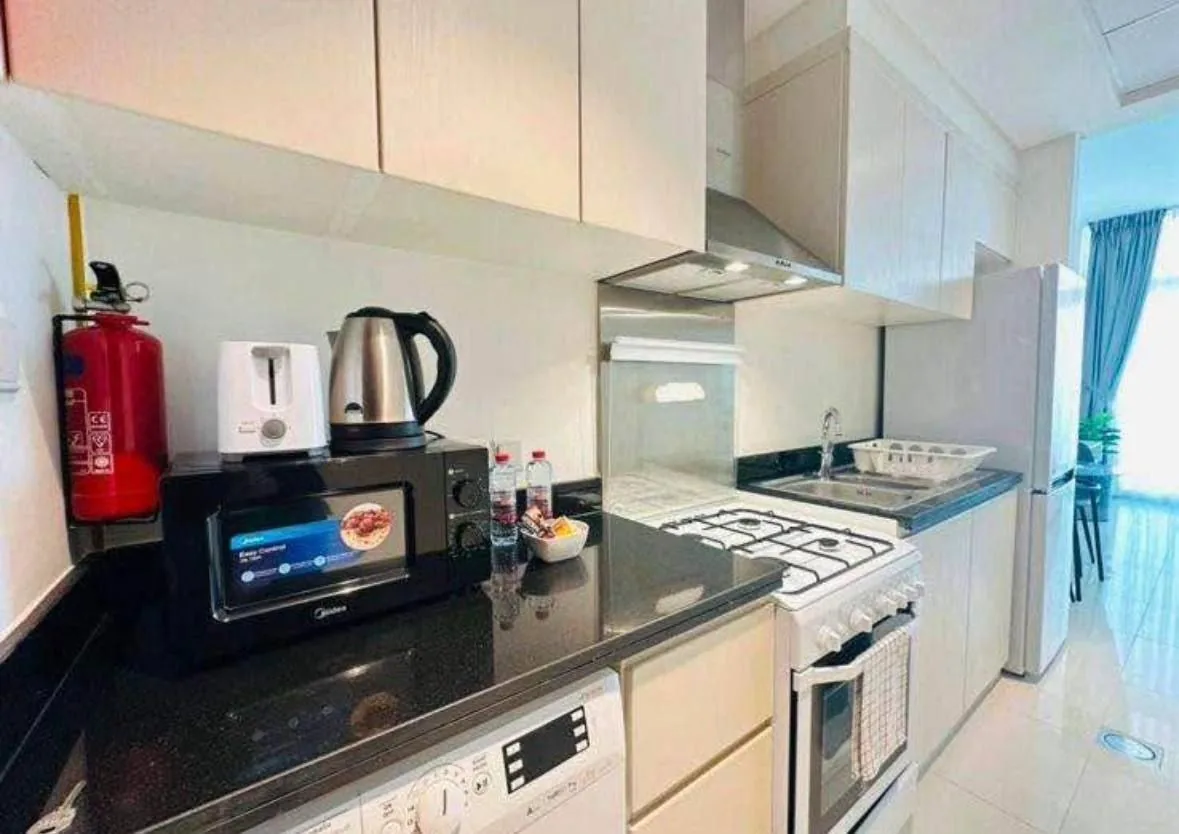
Shared Kitchen User

What this page covers
Shared Kitchen User
If you are using a shared kitchen and trying to keep your space practical and tidy, you probably care about how every item is stored, cleaned and reused. You want tools that actually work in a busy environment, without taking over the limited counter or cupboard space, and you may prefer to reuse items instead of buying new ones when possible.
A careful first step is to look at simple, reusable organisers and containers that help you manage everyday items around the sink and worktop, and to think about how you can store and share things so they stay clean, easy to reach and out of other people’s way. This is also where a reuse app like Hiiba can help you find pre-loved kitchen items that fit your setup without extra cost.
In brief
- You may be looking for compact organisers for sponges, brushes and soap, or stackable food containers that keep your area dry, clean and easy to share with others, ideally by reusing items instead of buying everything new.
- For a shared kitchen, formats that save space and control moisture, like a small sink caddy with separate compartments or stackable glass containers, work best when they are durable, easy to clean and simple for different users to understand and reuse.
- Before you start changing your setup, check how much counter and cupboard space you actually have, how wet areas like the sink get during the day, what other users are comfortable sharing or reusing, and which items you could source second-hand through a community like Hiiba.
What to do
As a shared kitchen user, you balance your own cooking habits with the needs of others. Wet, cluttered areas around the sink or on the counter can quickly become a problem when several people use the same space, so you need simple ways to keep everyday tools organised, easy to clean and clearly shared. Reusing suitable items instead of buying new ones can also help you save money and reduce waste.
Compact accessories designed for kitchen use can help. For example, a small sink caddy with a few compartments can hold sponges, brushes and soap while guiding water away so it does not pool on the counter. Stackable food storage containers can reduce plastic use and save space in a shared fridge or cupboard, while still being sturdy and convenient for daily reheating and cleaning. Many of these items can be adopted second-hand through a reuse platform like Hiiba, so you give existing products a second life.
To start carefully, focus on one high-traffic area, such as the sink or a shared shelf. Introduce one or two practical items that are clearly useful, like a compact organiser or a set of easy-to-clean containers, and agree with other users how they will be used and maintained so everyone feels comfortable. If you do not have these items yet, you can join the Hiiba waitlist and later look for pre-loved options that match your space and your building’s rules.
What to keep in mind
In a shared kitchen, even well-designed items only help if they match how people actually cook, clean and store things. Simple tools like caddies or containers can make it easier to keep surfaces dry and organised, but they still depend on regular use, basic care from everyone and clear agreements about what is shared and what is personal.
Space, budget and availability can limit what you can add to a shared kitchen. New kitchen items can be expensive, and it may take time to find compact, durable pieces that fit your specific layout and that other users are happy to share and clean properly. Reusing items through a community like Hiiba can reduce cost and waste, but you still need to check the condition of each item and whether it suits your hygiene standards and building policies.
Because of these realities, a modest next step is to test one or two changes rather than trying to reorganise everything at once. Starting small lets you see what really works in your shared space and adjust together with other users before you commit to more items or a bigger setup. When Hiiba is available, you can also try adopting a few pre-loved kitchen items first and see how they fit your routine before looking for more.
