
Join waitlist on WhatsApp

Second-Hand Fan Without Time to Sell
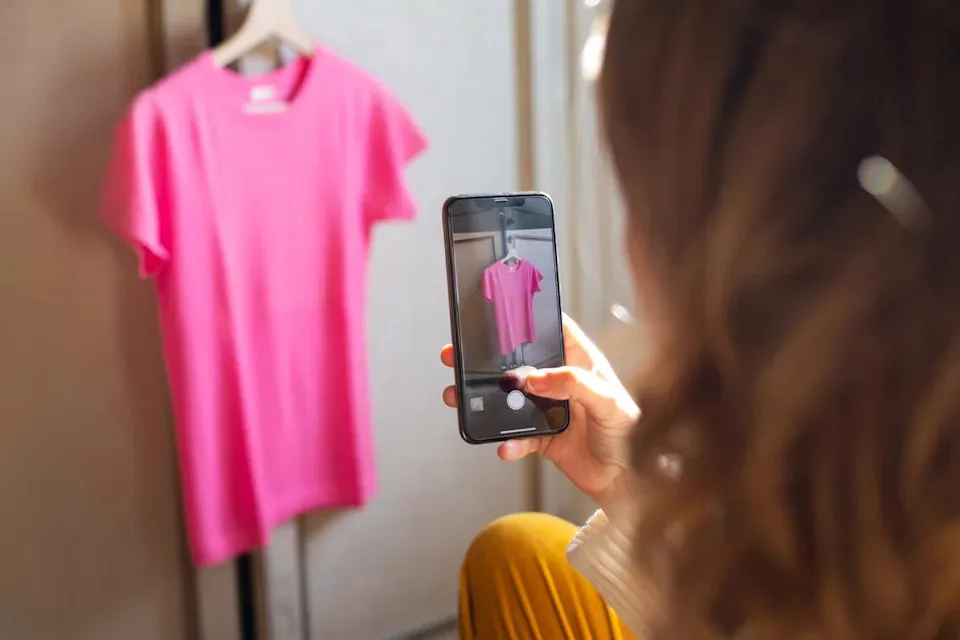
Person photographing a hanging T-shirt with a smartphone while preparing to sell or list it second-hand

What this page covers

Second-Hand Fan Without Time to Sell

If you love giving items a second life but never find the time to list, photograph and negotiate, you are not alone. You may care about reducing waste and supporting reuse, yet feel stuck with cupboards full of things you no longer need.

A realistic first step is to focus on simple, low-effort ways to pass items on: donating, giving away or using services that make reuse easier. You can start small, choose what feels manageable for you and still support a more circular, less wasteful lifestyle in the UAE.

In brief

  • You may be looking for a way to clear space at home, keep good items in use and avoid the work of individual selling. You likely want your belongings to do some good for others instead of ending up in the bin.
  • In this situation, formats that prioritise reuse over profit can fit best: donating to organisations that resell items, or using platforms that help people adopt pre-loved goods for free. These options keep items in circulation with less effort from you.
  • Before you start, consider the condition and type of each item, how much time you are willing to invest and your comfort with online coordination. Choose options that clearly explain how items are handled so you avoid confusion, wasted effort or unexpected costs.

What to do

If you enjoy second-hand culture, you probably care about sustainability and the stories behind your things. At the same time, work and family life in the UAE can leave little room for photographing, pricing and managing chats with buyers. That tension between wanting to declutter responsibly and not having time to sell can make it hard to take action.

For many people in your position, the most practical formats are those that combine reuse with simplicity. Donating clothing, books and accessories to organisations that resell or redistribute them can extend the life of items and divert them from landfills. Community-driven apps like Hiiba are designed to help people give away items for free and let others adopt what they need, so goods stay in use without money changing hands.

You can start carefully by sorting items into broad groups such as clothing, books and household goods, and setting aside what is clean and in usable condition. From there, choose one low-effort channel, such as a local donation point or a reuse-focused app, and try it with a small batch. This lets you see how the process works and how much time it takes before you commit more of your belongings.

What to keep in mind

Passing items on instead of selling them yourself will not suit every situation. If you rely on the income from selling, donation-first or free-giveaway options may feel less appropriate. However, if your main goal is to free space, support others and reduce waste, low-effort reuse channels can be a reasonable fit.

Any reuse or second-hand route comes with practical limits. Items usually need to be safe, clean and in usable condition, and some categories may not be accepted. Online platforms for adopting pre-loved goods can also involve coordination and uncertainty about availability or condition, so it helps to stay flexible and patient.

Choosing a simple, reuse-focused next step is reasonable because it aligns with reduce, reuse and recycle principles often mentioned in decluttering guidance. By matching your effort level, the type of item and its condition, you can move things on in a way that feels manageable while still contributing to a more sustainable, second-hand friendly culture in the UAE.