
Join waitlist on WhatsApp

Newly Divorced Home Resetter
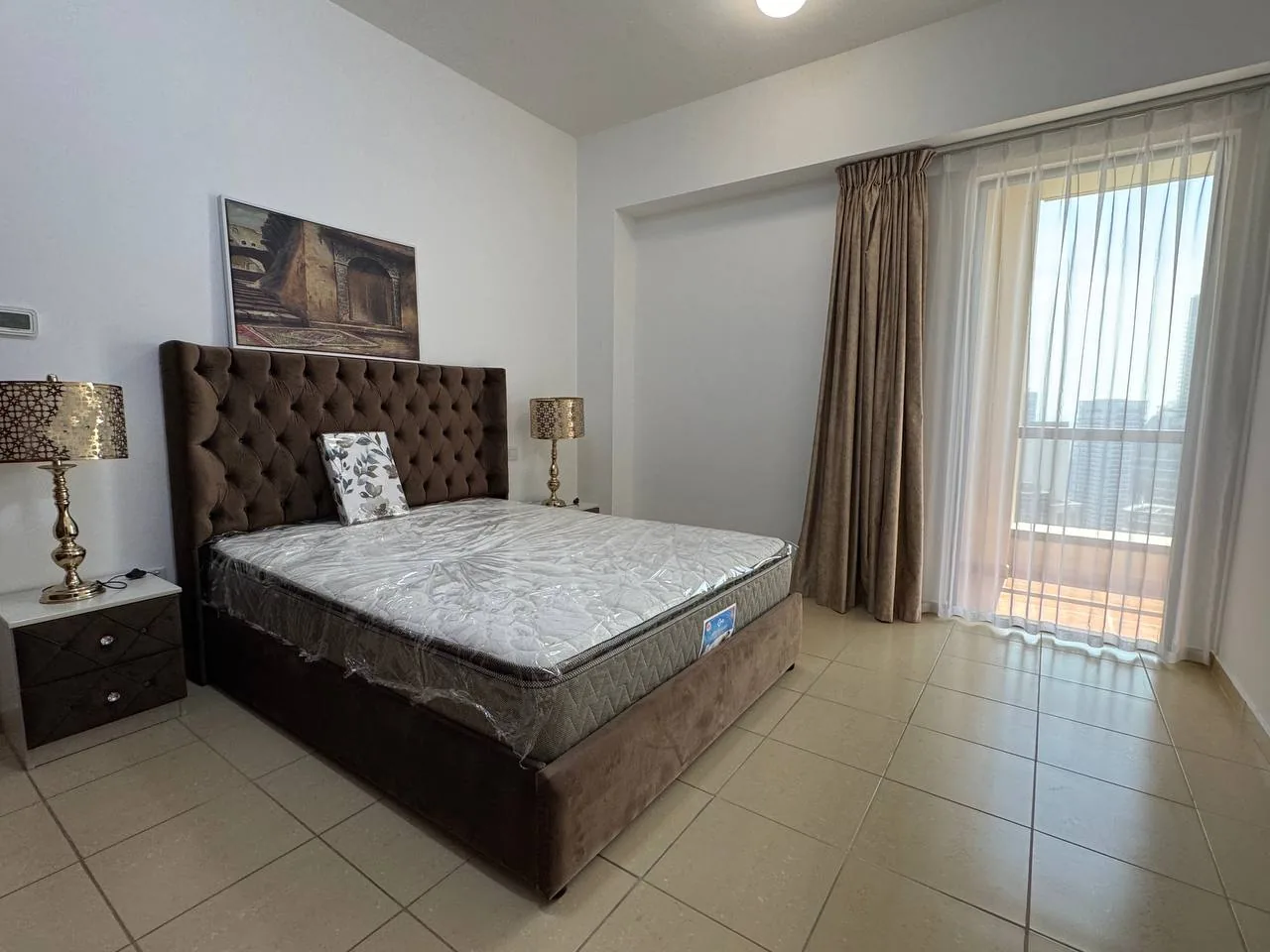
Calm bedroom with upholstered bed and nightstands, suggesting a fresh start for a newly divorced person resetting their home

What this page covers

Newly Divorced Home Resetter

If you are newly divorced and your home no longer feels like it fits your new life, it can be hard to decide what to keep, what to let go of, and how to refresh your space without taking on heavy costs or complicated logistics.

A gentle first step is to look at your existing furniture and home items and decide which ones still serve you now, then plan how to pass on the rest so they can be reused instead of going to waste, keeping the process simple and manageable for you.

In brief

  • You may be looking to downsize or refresh your home, replace a few key pieces, and quickly move on items that no longer fit your new routines, without spending heavily or sending usable things to landfill.
  • A reuse-focused approach can fit this moment: adopting pre-loved items in good condition and giving away extras, so you can create a comfortable, functional space while keeping costs and logistics under control.
  • Before you start, it helps to be clear on what you really need now, what you are ready to let go of, and how much time and energy you can realistically invest in listing, donating, or arranging pickup of bulky items.

What to do

After a divorce, you may find that many of your existing home items no longer match your new space, budget, or lifestyle. Extra furniture and decor can feel emotionally and physically heavy, and searching multiple platforms for what you need can be exhausting when your time and energy are already stretched.

A practical option is to focus on reuse and redistribution of household goods. Programs and platforms that accept and pass on new and gently used furniture, appliances, and other bulky items can help you move things out of your home while giving them a second life. At the same time, you can look for pre-loved essentials in good condition, such as beds or other key pieces, instead of buying everything new at once.

To start carefully, choose one area of your home and identify bulky items you no longer need. From there, explore simple ways to have them picked up or handed over for reuse, and look for specific replacement items rather than browsing endlessly. This step-by-step approach keeps decisions smaller and helps you reset your home at a pace that feels sustainable.

What to keep in mind

Support based on reuse and redistribution focuses on household items, not on emotional, financial, or legal aspects of divorce. It can help you refresh or downsize your home using existing and pre-loved goods, but it will not resolve every part of your life change, and results depend on what items are available and what you are ready to let go of.

There can be practical limits: some services only accept certain categories of furniture or appliances, and pickup is often available mainly for larger items. Quality and style of pre-loved items vary, and you may need to be flexible about exact models or designs when adopting second-hand pieces for your home.

This makes a small, low-commitment first step reasonable: start with a short list of items you want to move on or replace, and test one simple channel for giving away or adopting goods. You can then decide, based on your experience and comfort, how much further you want to go with resetting your home.