
Join waitlist on WhatsApp

Freelancer Between Contracts
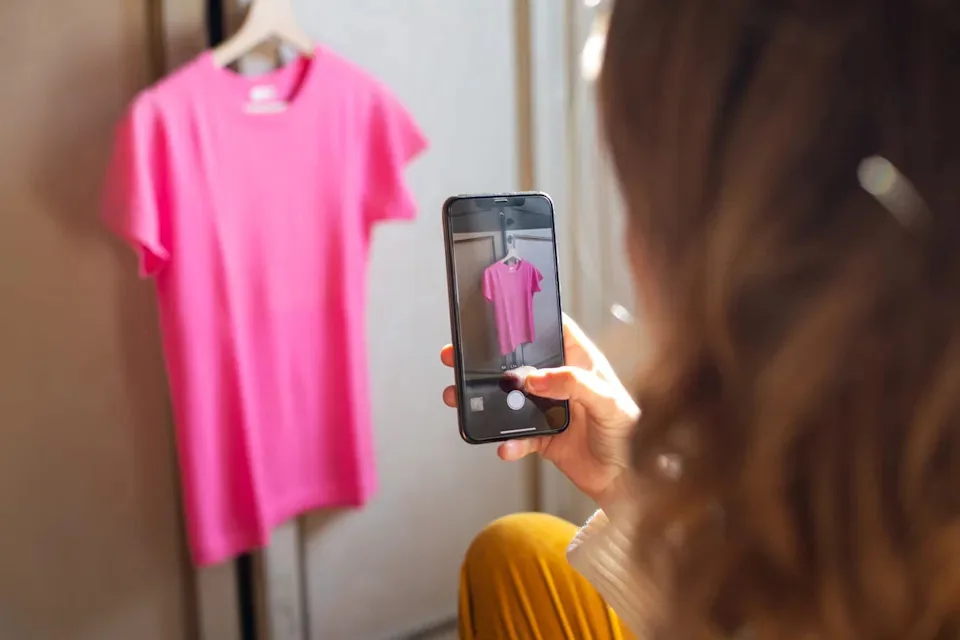
Freelancer photographing a t-shirt on a hanger with a smartphone to sell or list unwanted clothes from home

What this page covers

Freelancer Between Contracts

If you are a freelancer between contracts, you may be looking around your home and seeing items you no longer need, from clothes and books to small electricals and baby sets, and wondering how to handle them responsibly while you plan your next steps.

A simple first step is to sort what could be rehomed and what should be recycled, so you can free up space, stay organised between projects, and be ready to pass items on safely when a suitable option, local collection or a platform like Hiiba becomes available.

In brief

  • You may be looking for a practical way to deal with clothes, toys, books, kitchenware or baby items you no longer use, so your home feels lighter and more manageable while you focus on finding your next contract.
  • A format that often fits this situation is a clear split between items that are perfect for rehoming and those better suited to recycling, so you can decide what to give away, sell or pass on later without keeping everything in storage.
  • Before you start, it helps to check which categories are typically accepted for rehoming, which are usually sent for recycling, and whether any items are damaged or unsafe so you do not pass on things that should be disposed of or handled by a specialist service instead.

What to do

As a freelancer between contracts, your income may feel uncertain and your home can easily fill up with things from past projects or life stages, such as clothes, books, tools or baby sets. Taking time to review these belongings can help you regain a sense of control and create a calmer space while you search for your next opportunity.

A practical approach is to group items into those that are perfect for rehoming and those that are better for recycling. Clothes, toys, books, shoes, small electricals, CDs and DVDs, bed linen, towels, kitchenware, tools, fabric and rags are often suitable for rehoming when they are in usable condition. Worn books, duvets, pillows, broken or damaged items, some furniture and baby car seats are more likely to belong in recycling or specialist disposal, rather than being passed on for everyday use.

You can start carefully by choosing one small category, such as a box of books or a set of baby feeding items, and deciding what to keep, what to set aside for rehoming later, and what should be recycled. This step-by-step sorting helps you avoid rushed decisions, keeps potentially useful items in circulation, and prepares you to act quickly when you find a collection point, market-style exchange or a reuse app like Hiiba that matches your needs.

What to keep in mind

Any decision to rehome or recycle items depends on their actual condition and on what local services, apps or collection options are available to you in the UAE. The categories listed here are examples of what is often collected, not a guarantee that every item will be accepted in every situation.

Some things, such as broken or damaged items, certain furniture pieces or baby car seats, may not be suitable for rehoming and might require recycling or specialist handling. If you are unsure whether an item is safe to pass on, especially for babies or children, it is safer to treat it as unsuitable for reuse and look for appropriate recycling or disposal options instead.

This makes a gentle next step like sorting items by type and condition a reasonable choice while you are between contracts. It lets you prepare in advance, so when you find a trusted collection, community exchange or a service like Hiiba, you already know which items you are comfortable rehoming and which you prefer to send for recycling.