
Join waitlist on WhatsApp

Eco-Savvy Office Manager
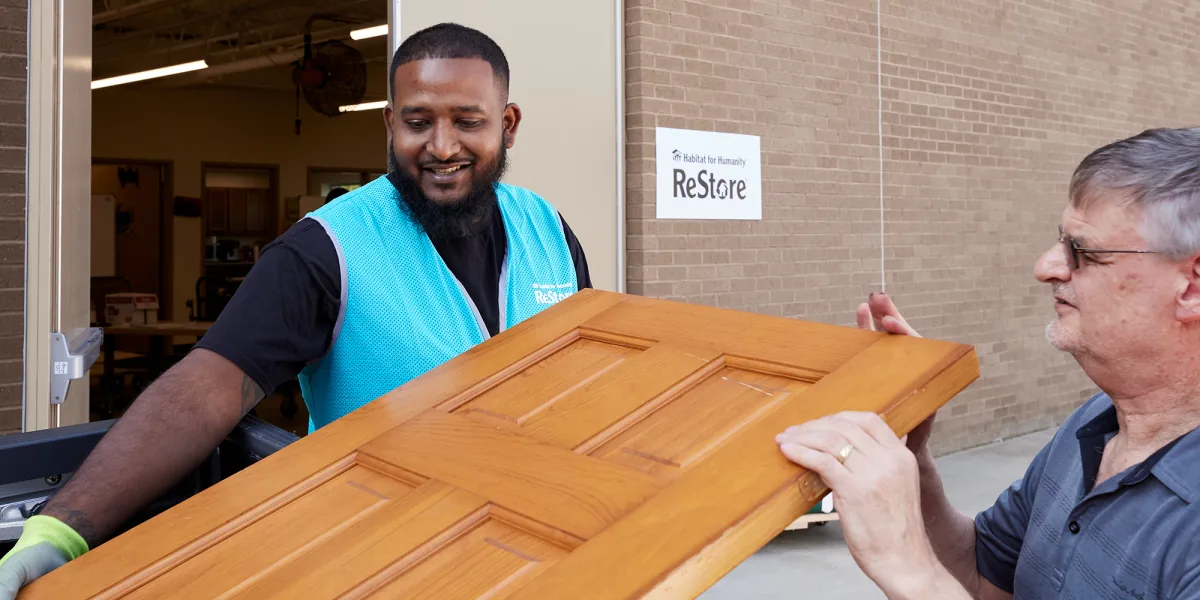
Two men carry a wooden door out of a ReStore shop entrance

What this page covers

Eco-Savvy Office Manager

If you are an eco‑savvy office manager in the UAE, you probably see usable items piling up after moves or refurbishments and want them to go to people who can use them instead of ending up as waste or in long‑term storage.

A practical first step is to separate items that are ideal for rehoming, such as clothes, toys, books, shoes, small electricals, CDs, DVDs, bed linen, towels, kitchenware, tools, fabric and rags, from items that are better sent for recycling or disposal, and then look for simple ways to move them into community reuse streams, including digital platforms like Hiiba.

In brief

  • You may be looking for a simple way to move surplus but usable office‑related items into community reuse, so they do not end up as clutter or waste and colleagues or neighbours can adopt what they need.
  • A helpful format for your situation is to group items into clear categories such as “perfect for rehoming” and “for recycling,” so that colleagues and community members can quickly see what is available and what should be handled as waste.
  • Before you start, check what types of items your organisation is comfortable sharing externally, and make sure anything you list for rehoming is safe, usable, clean and not broken or damaged.

What to do

As an eco‑savvy office manager, you may be the one who notices when stationery, small electronics, decor or household‑type items from the office are still usable but no longer needed. You want to avoid sending them straight to waste, yet you also need to keep your workspace organised and respect limited storage and company rules.

One practical approach is to sort items into those that are perfect for rehoming and those that should go to recycling or disposal. Items often suitable for rehoming include clothes, toys, books, shoes, small electricals, CDs, DVDs, bed linen, towels, kitchenware, tools, power tools, fabric and rags, as long as they are in usable condition. Items that are broken, damaged or not safe to reuse are better directed to appropriate recycling or waste channels.

To get started carefully, you can first create a simple list or corner in the office where rehoming items are grouped by type, and keep a separate area for items marked for recycling. From there, you can explore community channels in the UAE, such as the Hiiba app, that accept such items, and gradually test what works for your team without disrupting daily work or overloading your own storage.

What to keep in mind

The ideas on this page are based on common categories of items that are suitable for rehoming versus recycling, such as clothes, toys, books, shoes, small electricals, media, linens, kitchenware, tools, fabric and rags, and on the experience of eco‑aware office workers who try to move surplus items into community reuse.

Not every item from your office will be appropriate to share or reuse. Broken or damaged items, baby car seats and some types of furniture or equipment may need specialist recycling or disposal, and your company’s internal policies on donations or give‑aways may limit what you can offer to colleagues or the wider community.

This makes it reasonable to start small: focus on clearly reusable items, respect internal rules, and adjust your approach as you see what colleagues respond to and what channels, including digital reuse platforms in your part of the UAE, are practical, rather than expecting to solve all office waste challenges at once.