
Join waitlist on WhatsApp

Eco-Motivated Giver

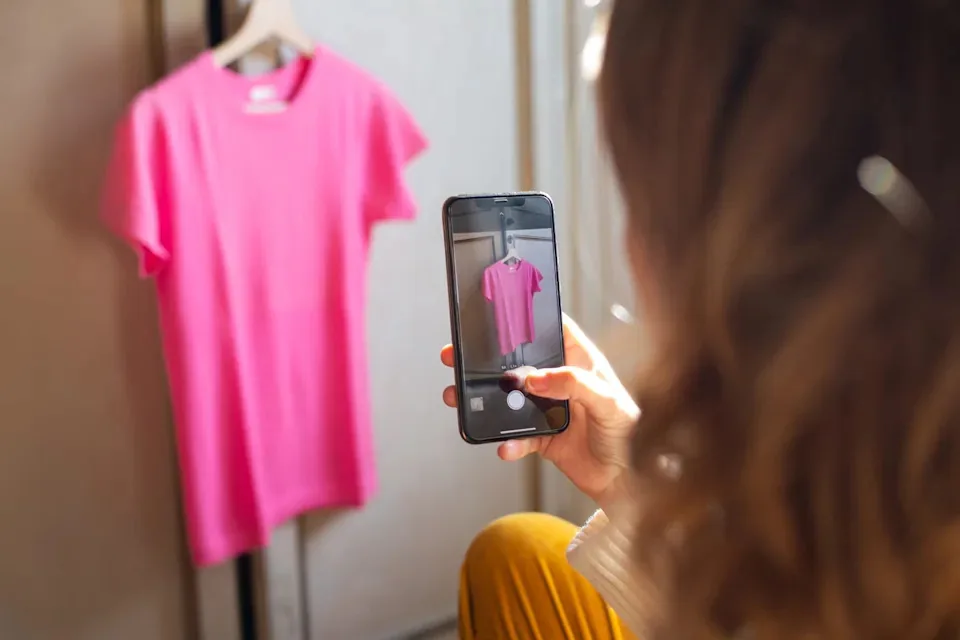
Person photographing a T-shirt on a hanger with a smartphone to pass it on for reuse

What this page covers

Eco-Motivated Giver

If you feel uneasy throwing usable items into general waste and want them to have a second life in the UAE, you are in the right place. You care about sustainability and want a simple way to pass things on instead of discarding them.

A practical first step is to sort what you no longer need into items that are ready for rehoming, like clothes, toys, books, shoes, small electricals, kitchenware, tools and bed linen, and items that are better suited for recycling, such as broken or damaged goods, duvets, pillows, worn books and baby car seats. From there, you can choose how you want to give responsibly.

In brief

  • You may be looking for a practical way to give away everyday items so they are reused, not stored or wasted, and to feel that your personal choices support a more circular, eco-minded lifestyle in the UAE.
  • A good format for you is a clear system that helps you list items for rehoming, separate them from things that should go to recycling, and makes it easier for others to adopt what you no longer need.
  • Before you start, check which of your items are in good, usable condition for rehoming and which are broken or worn out and should go to recycling, so you can give safely and avoid passing on anything that is not suitable.

What to do

As an eco-motivated giver, you want to reduce personal waste by giving items a second life instead of sending them to general waste. You may feel there are limited local options for everyday reuse, or that donation and recycling routes are inconvenient or unclear, even though you are ready to act more sustainably.

A simple way to move forward is to group your items by how they can be reused. Clothes, toys, books, shoes, small electricals, CDs and DVDs, bed linen, towels, kitchenware, tools, power tools, fabric and rags are typically suitable for rehoming when they are in usable condition. Broken or damaged items, duvets, pillows, some furniture and baby car seats are usually better directed to recycling rather than passed on for everyday use.

To start carefully, walk through your home and create two clear piles: one for rehoming and one for recycling. Focus first on small, easy-to-move items like clothes, books and kitchenware, then decide how you want to pass them on. This step-by-step approach lets you act on your eco values without feeling overwhelmed, while keeping safety and practicality in mind.

What to keep in mind

Not every item will be suitable for rehoming, and that is normal. Some things are simply at the end of their usable life and belong in recycling rather than in someone else’s home. Paying attention to this difference helps you support sustainability in a realistic, everyday way.

If an item is broken, heavily worn, stained or no longer safe to use, it is usually better to treat it as recycling material instead of trying to give it away. Large or complex items like certain furniture or baby car seats may also have safety or condition limits that make them unsuitable for reuse and more appropriate for recycling routes.

Because of these nuances, it makes sense to start with a small batch of items and see what feels manageable for you. This careful, stepwise approach lets you test how rehoming and recycling work in your situation, adjust as needed, and stay aligned with your eco goals without overcommitting.