
Join waitlist on WhatsApp

Community Volunteer Connector
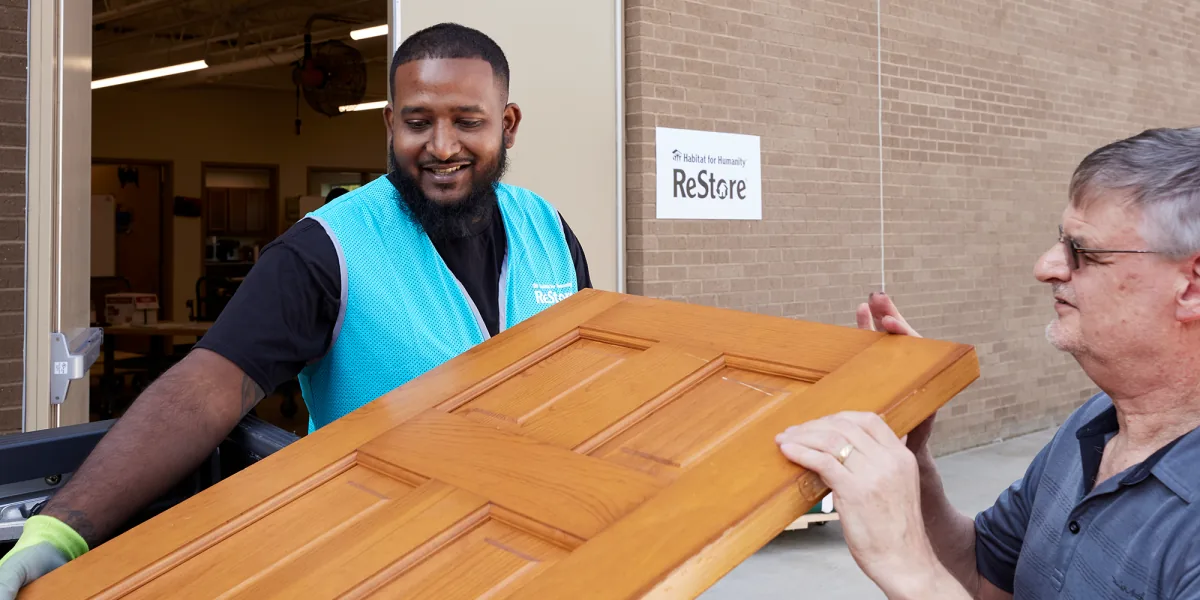
Two men carrying a wooden door into a ReStore shop, suggesting community volunteers helping with local donations

What this page covers

Community Volunteer Connector

If you are the person in your community who connects people who have things to give with people who really need them, you may be juggling chats, lists and ad‑hoc drop‑offs while trying to keep everyone motivated to help.

You might be looking for a simple way to turn all those bite‑sized offers of help into organised support. A careful first step is to centralise how items are listed, matched and handed over, instead of relying on scattered messages and last‑minute arrangements.

In brief

  • You may be looking for a way to turn many small acts of generosity into real impact, from neighbours with pre‑loved household items to volunteers with skills such as sewing, painting or helping in community shops.
  • A format that can fit this situation is a clear, shared space where items and skills are listed, checked for reuse, and then repaired, resold cheaply or passed on, similar to how reuse centres and charity stores work with active community engagement.
  • Before you start, it helps to be clear about what kinds of goods or skills you can safely coordinate, how drop‑offs and pick‑ups will work, and what level of effort you and your partners can realistically sustain over time.

What to do

As a community volunteer connector in the UAE, you may already see how many people want to help, whether by donating clothes and household items or by offering time and skills. The challenge is often turning that goodwill into something organised, so that vulnerable people are supported and useful items do not go to waste.

One approach that aligns with how successful community initiatives work is to create a simple, central place where residents can offer unwanted goods and skills. Items can be checked for reuse, repaired when possible, and then resold at low cost or given away, while volunteers help with tasks such as sorting, sewing, painting or staffing community shops. This mirrors how reuse centres and social enterprises operate with support from local partners and ongoing community engagement.

To start carefully, you can focus on one or two practical actions, such as piloting a small swap or drop‑off event with trusted partners, or testing a shared list of available items within your existing network. As you learn what works, you can gradually add clearer listing guidelines, photos and item details, and refine how you coordinate handovers so that donors, volunteers and recipients all understand the process.

What to keep in mind

Community initiatives built on donations and volunteering depend on many moving parts: people’s time, the quality of items, and the availability of suitable partners or spaces. Even with strong motivation, not every offer of help will turn into a successful match or long‑term solution for families in need.

There can also be limits to what you can safely accept or coordinate, from bulky items that are hard to move to goods that are not suitable for reuse. Without a central place to track what is available and where it is, coordination across multiple chats can become confusing and time‑consuming for you and your fellow volunteers.

A gradual, structured next step is reasonable because it lets you test ideas at a scale you can manage, while still encouraging ongoing giving and adoption within your volunteer network. By clarifying what you can handle now and where you may need extra support, you can stay realistic about your role and reduce the risk of over‑promising to donors or recipients.