
Join waitlist on WhatsApp

Community Organizer

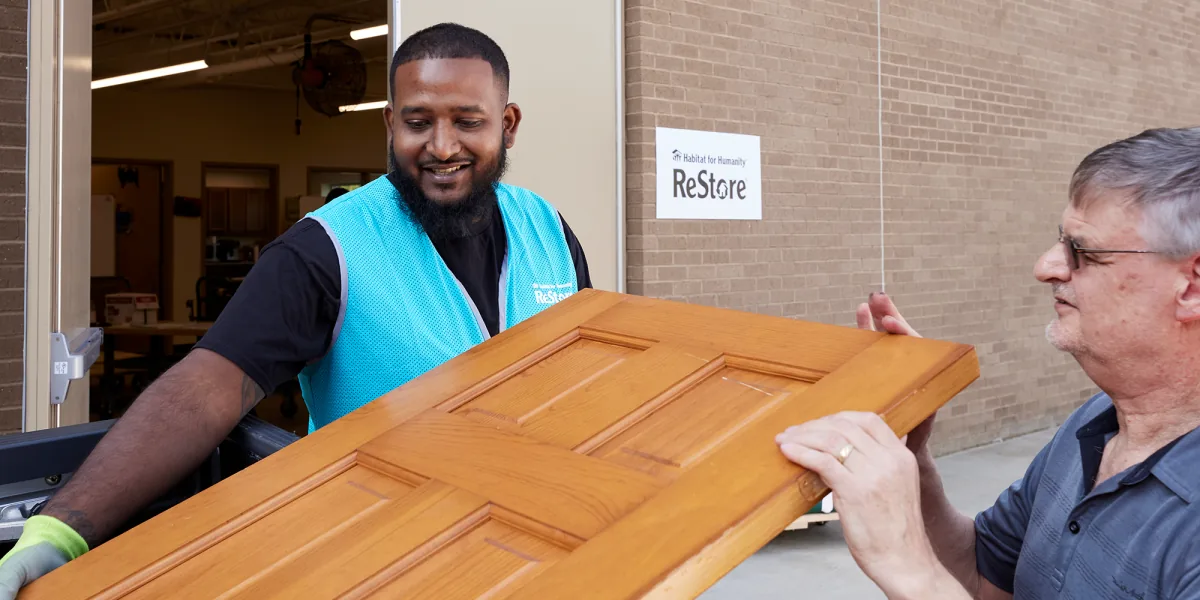
Two men carry a wooden door outside a brick ReStore building

What this page covers

Community Organizer

If you are the person in your building, neighbourhood or organisation who keeps community activities moving, you may be looking for practical ways to share resources, cut waste and still respect limited time and budgets.

A careful first step can be to explore a simple share, reuse or repair setup that fits your community, starting small and linking it to goals you already have so it is realistic to run and easier to explain to residents and partners.

In brief

  • You may be looking for structured ways to share items, run reuse events or give residents easier access to useful goods without everyone having to buy and store everything themselves.
  • A good fit can be a small lending or “library of things” style pool, or occasional reuse drop‑off and community sale days that connect to existing facilities or programmes in your area.
  • Before you start, it helps to check how your idea aligns with current community goals, what space or partners you can rely on, and how much time you and any team realistically have for coordination.

What to do

As a community organizer, you may be balancing resident expectations, tight budgets and pressure to show social and environmental benefits. Share, reuse and repair initiatives are one way to give people access to useful items while easing financial strain and keeping more goods in circulation instead of in storage rooms or bins.

In many places, lending libraries or “libraries of things” offer items such as kitchen appliances, camping gear, sewing machines, tools, toys and other household equipment that are costly or impractical for individuals to own. Other approaches include reuse collection at municipal transfer stations, reuse stores and centres, drop‑off events, bulky household item reuse, and community yard or garage sales that divert usable goods and provide free or low‑cost items to people who need them.

A careful way to begin is to map what already exists in your community, then design a small pilot that clearly supports those existing initiatives. Highlighting the social, environmental and economic benefits of reuse can help you build support, especially when local staff and volunteers are already stretched and need to see how your idea fits into current plans rather than adding a completely new workload.

What to keep in mind

Share, reuse and repair efforts can offer residents convenient access to goods and reduce waste, but they work best when they are grounded in your community’s actual habits, facilities and capacity. Not every building or neighbourhood will be ready for a full lending library, and sometimes a simple, well‑run drop‑off or reuse day is a more realistic starting point.

You may face constraints such as limited storage, the need for moderation, and concerns about fair access or safety when people exchange items. Organizers often spend time mediating informal exchanges, so it is important to set clear boundaries on what you can and cannot take on, and to consider how validation or coordination will work in practice.

Because local government staff and volunteers are often already busy, aligning your idea with existing waste, recycling or community programmes can make the next step more reasonable. Starting with a modest, clearly defined action and adjusting it based on feedback helps you test what works in your context without over‑promising outcomes to residents.