
Join waitlist on WhatsApp

Community Event Organizer
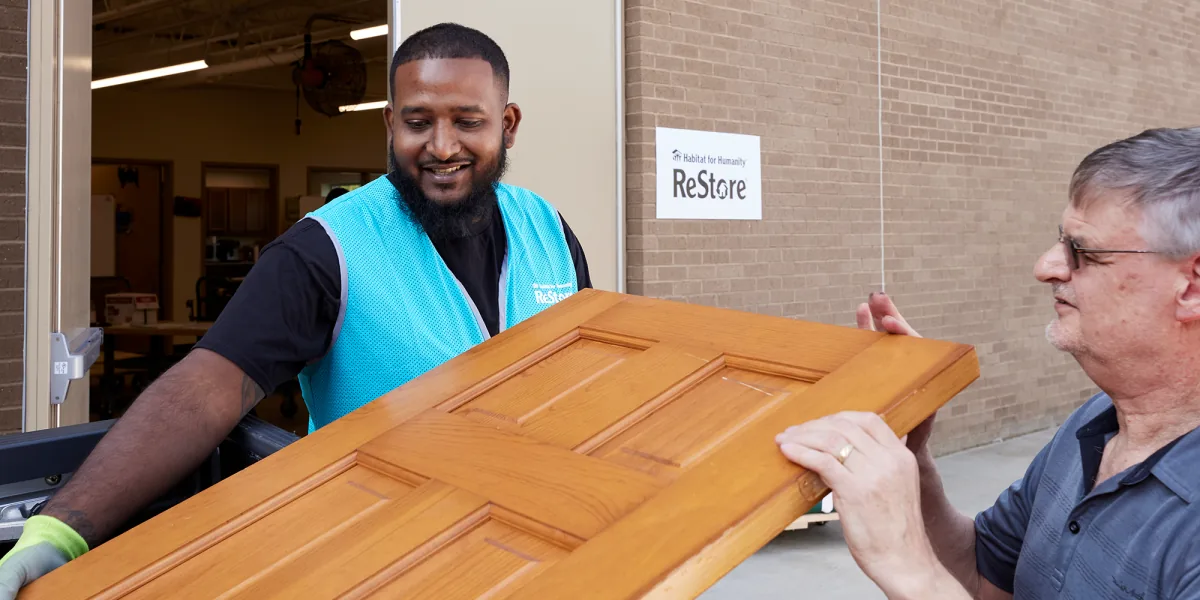
Two men carry a wooden door into a ReStore shop entrance

What this page covers

Community Event Organizer

If you are organizing community or charity events and want them to be engaging, inclusive and less wasteful, you may be juggling permits, logistics, partners and what to do with all the items left over afterwards.

A practical first step is to see how reuse and sharing can fit into your next event plan, using tools like Hiiba to move items between residents, reduce waste, support local goals and still stay within tight budgets and capacity limits.

In brief

  • You may be looking for ways to run popular community events, manage donated or second-hand goods, and make it easy for residents and local groups to take part without creating unnecessary waste or storage problems.
  • Formats that often fit this situation include community yard or garage sales, indoor markets at accessible centres, and events where local organizations resell, redistribute or give away donated items in their original or repurposed form.
  • Before you start, it helps to clarify how reuse supports your community goals, what permits or spaces you can access, and whether a digital tool like Hiiba can help guide donations, exchanges and handling of unsold items.

What to do

As a community event organizer, you may be coordinating residents, local merchants and organizations while working with limited time and resources. You might be planning neighbourhood sales, charity markets or swap events and want them to foster engagement, offer affordable goods and keep usable items out of the bin.

Examples from other communities show that formats like neighbourhood garage sales or indoor sales at community centres can work well. Local associations have combined home yard sales, sidewalk sales by merchants and redistribution of donated goods by community organizations, sometimes with guidance on where to give or list unsold items through reuse platforms such as Hiiba.

When you plan your next event, you can start by mapping how reuse, sharing and repair align with existing community initiatives. Highlighting social, environmental and economic benefits can make it easier to secure support from partners or local authorities whose staff may already be stretched, and to design an event format that fits your capacity while using Hiiba to keep items circulating after the event.

What to keep in mind

Experiences from other cities suggest that providing space, basic services and clear guidance can help community events become more inclusive and less wasteful, but each place has its own regulations, infrastructure, digital habits and level of participation.

Results such as reduced landfill waste, lower costs or higher attendance depend on factors like promotion, available venues, permits, the tools you use to manage items, and how actively residents and local groups choose to take part, so they cannot be guaranteed in advance.

Given these variables, a reasonable next step is to explore which reuse-focused event formats and digital tools are realistic for your context, and to consider how they could support your existing community goals without adding unsustainable workload for you or your partners.