
Join waitlist on WhatsApp

Balcony and Garden Reuser
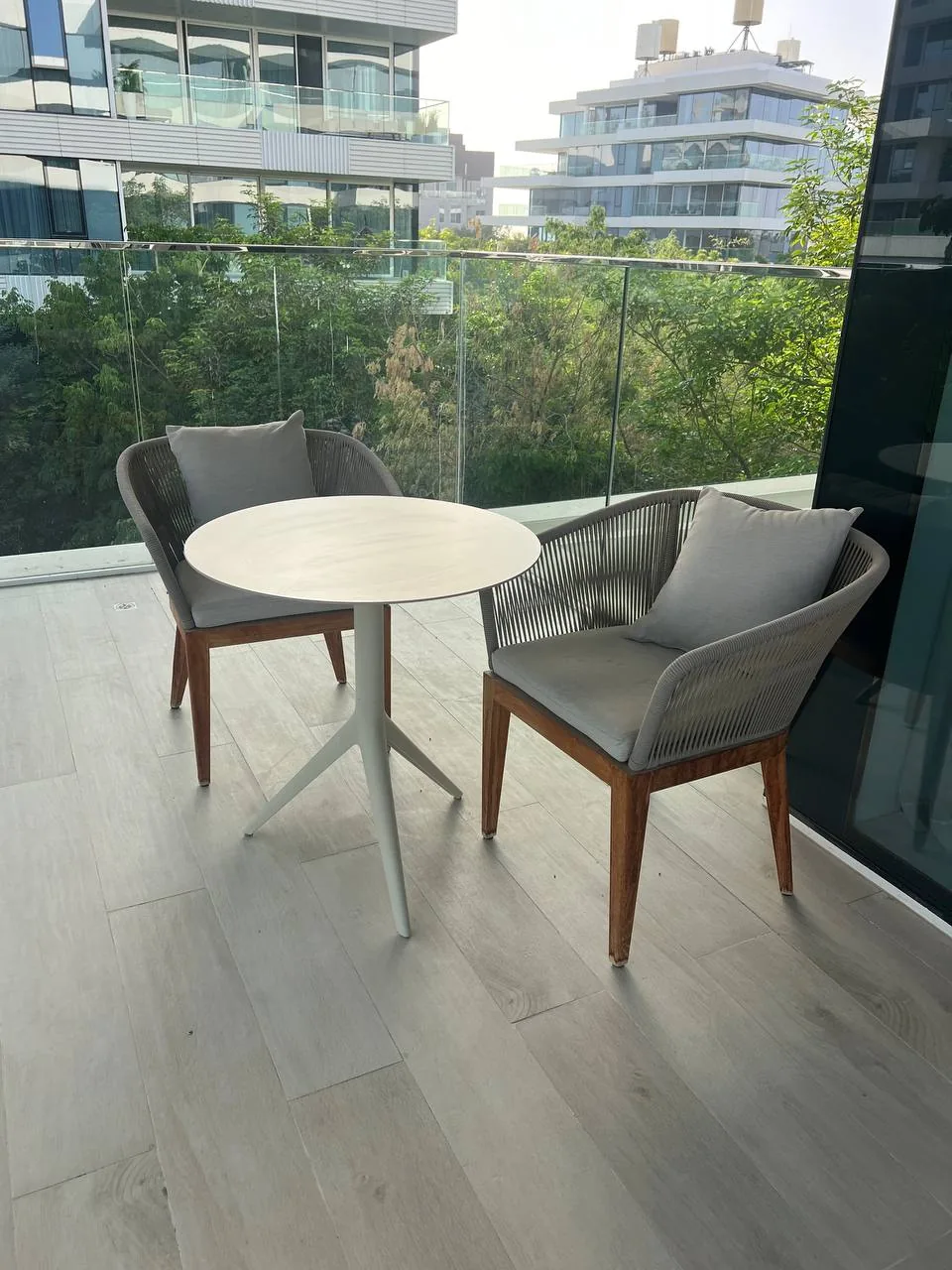
Urban balcony with two chairs and a small table, suggesting a compact outdoor space for reusing and enjoying garden items

What this page covers

Balcony and Garden Reuser

If you look at your balcony or small garden and see chairs, pots, tools or sets you rarely use, but do not want to simply throw them away, you are already thinking about reuse and cutting waste at home.

A careful first step is to notice what you no longer need and what could safely be reused by someone else, so you free up space while keeping materials in circulation instead of bringing in new ones.

In brief

  • You may be looking for an easy way to pass on balcony or garden items you no longer use, and to adopt pre-loved pieces instead of buying new ones, so you cut waste and clutter at the same time.
  • A good format for you is a clear, reuse-first exchange where items like chairs, pots or small sets move from one home to another, with the focus on extending their useful life rather than on resale.
  • Before you start, check that items are safe to use, follow any care or weight-limit instructions on things like chairs, and decide which pieces are truly unnecessary so you can reduce waste in a meaningful way.

What to do

As a Balcony and Garden Reuser, you want your outdoor space to feel calm and useful, not packed with spare chairs, unused sets or extra pots. At the same time, you care about limiting new materials and packaging entering your life, and you prefer to see existing items reused rather than sent to landfill.

A reuse-focused approach fits this situation: instead of bringing in new products, you prioritise passing on items that still work and adopting pre-loved ones when you need something. This matches circular economy ideas like source reduction, where the goal is to use fewer new materials, cut down on unnecessary packaging and keep products in use for longer through reuse.

To start carefully, sort balcony and garden items into what you use often and what you could let go of. For anything you keep or pass on, read any safety and care instructions, such as maximum weight limits for chairs or cleaning guidance, so the next user can handle them safely. From there, you can choose a reuse channel that matches your comfort level and space, and gradually move surplus items into new hands.

What to keep in mind

This reuse mindset is especially relevant if you live in the UAE with limited balcony or storage space and want to avoid buying new outdoor items when existing ones can still serve someone else. It supports a more circular use of materials by focusing on reuse and reduction of unnecessary products and packaging.

However, not every item will be suitable to pass on. Heavily worn, damaged or unsafe pieces, such as chairs that no longer meet their stated weight limits or items without clear care instructions, may be better removed from circulation to avoid risk for the next user.

Choosing a small, realistic first step makes this easier: you might start with one category, like spare chairs or extra pots, and see what can be safely reused. This way you reduce waste and clutter gradually, in line with circular economy principles, without overcommitting or creating new problems.