Pre-loved items uae
What this page covers
Pre-loved items uae
Pre-loved items in the UAE are a practical answer to tight storage, frequent moves, and the need to furnish apartments quickly without overspending. Many residents look for useful second-hand pieces they can adopt fast, from furniture to everyday household goods.
In big cities like Dubai and Abu Dhabi, people often compare the effort of reusing an item with simply disposing of it through local bulky-waste services. When coordination is simple and the item is still in good condition, adopting pre-loved items becomes an attractive way to solve immediate home needs while cutting waste.
Hiiba is being built to make this reuse easier, by connecting people who want to give away items with those who need them, all through a simple mobile app.
In brief
- Many UAE residents live in apartments with limited storage and frequent moves, so adopting pre-loved items helps them manage space and regular move-ins and move-outs more easily.
- With a high share of expats and many lower-income workers, reusing items instead of buying new can ease affordability pressures while still meeting everyday household needs.
- Pre-loved items that are easy to assess from photos, such as furniture, carpets, toys, sports equipment, clothes, and small household goods, tend to move quickly when condition and details are clearly shown.
What to do
In the UAE, choosing pre-loved items is usually about speed, space, and budget rather than long-term collecting. In buildings where storage is limited and furniture turnover is normal, residents look for second-hand pieces they can evaluate quickly, pick up in one trip, and put to use immediately. This makes categories like furniture, carpets, children’s toys, sports equipment, used clothes, paper and cardboard, and small household goods especially active for reuse.
Adoption decisions often sit next to an easy “just dispose it” option. In Dubai, for example, free bulky-waste collection for furniture and electrical or electronic waste can be requested through official channels, including WhatsApp, with pickups often scheduled within days. Pre-loved items are more likely to be chosen when coordination is simpler than arranging new purchases or waiting for delivery slots, and when photos and descriptions give enough confidence to commit quickly from a mobile screen.
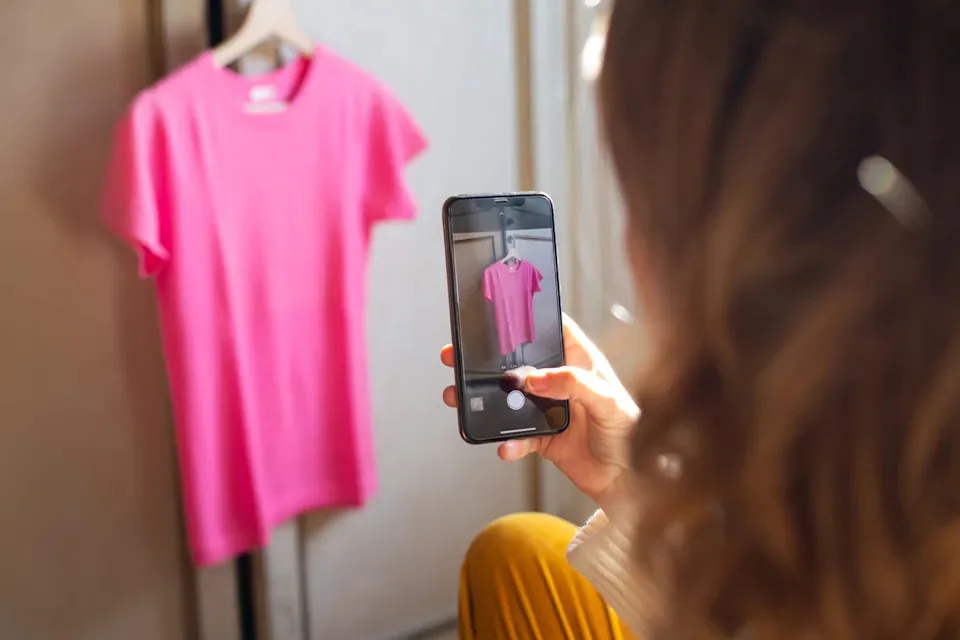
Some item types trigger more hesitation, especially around hygiene and safety. Mattresses and upholstered items can raise sanitation concerns, while electronics and electrical appliances prompt questions about whether they still work safely. Baby seats can raise doubts about safety standards. These concerns are best addressed with clear, concrete detail: close-up photos, visible defects, proof that items are working, and straightforward condition language such as “working” or “tested,” rather than vague claims. A dedicated app like Hiiba can help standardise this information so people feel more confident adopting pre-loved goods.
What to keep in mind
Pre-loved items are particularly relevant in a market where foreign nationals make up the vast majority of residents and many people move homes frequently. For families watching their budgets, adopting used goods can help stretch income, especially in lower wage brackets where affordability is a constant pressure and reusable items might otherwise be discarded instead of shared.
At the same time, not every category feels equally comfortable to adopt. Items that are easy to inspect visually and carry low hygiene risk tend to be accepted quickly, while mattresses, heavily upholstered pieces, and some baby items may feel less suitable for peer-to-peer reuse. Electronics and electrical appliances can be attractive, but only when there is enough information to reduce doubts about safety and working condition.
Mobile-first behaviour in the UAE means people expect fast replies, short message exchanges, and quick commitments, often between work and family tasks. Any pre-loved flow that supports clear photos, explicit condition notes, and simple coordination for handover or pickup is more likely to fit into this reality than scattered chats or unclear availability. Hiiba aims to bring these elements together in one place so pre-loved items find a new home instead of going to waste.