
How to responsibly rehome my items uae
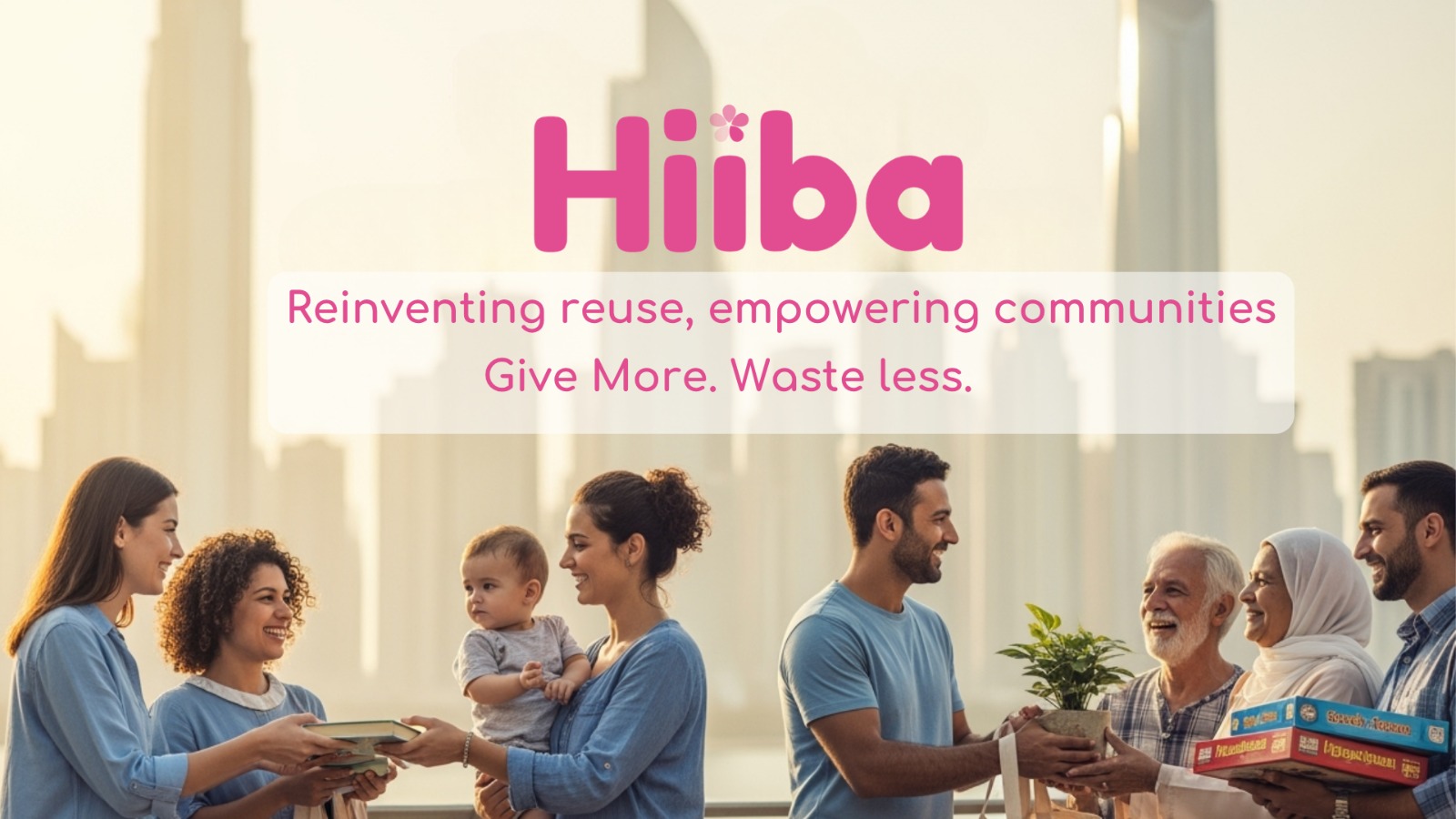
What this page covers
How to responsibly rehome my items uae
If you are decluttering your home in the UAE, rehoming items thoughtfully can cut waste and help someone else at the same time. This page shares simple, practical ways to pass things on instead of throwing them away.
You will not find a full marketplace here, but you can use this guide to decide what to keep, what to give away, and how a reuse-focused app like Hiiba could fit into your routine once it is available in the UAE.
In brief
- Start by sorting items into clear groups: keep, repair, donate, sell, or recycle. Clean and check what you plan to pass on so it is safe, working, and appealing for the next person.
- Use local options in the UAE such as charity shops, community groups, and second-hand platforms. Try to give items a second life nearby before sending anything to landfill.
- For future decluttering, consider using a reuse-focused app like Hiiba to quickly list items you no longer need and match them with people who can use them at no monetary cost.
What to do
A simple way to rehome items responsibly in the UAE is to move step by step. First, walk through your home and identify what you truly use. Anything unused for a year is a candidate to pass on. Group items by type such as clothes, electronics, furniture, toys, kitchenware, and books. Check each item for safety and basic condition, wipe it down, test that it works, and set aside anything broken that might need repair or recycling instead of rehoming.
Next, match each group with the most suitable local channel. Everyday clothing, household goods, and toys can often go to charity shops or community donation drives. Better-quality or branded items may be suitable for resale or free listing on local second-hand platforms or community marketplaces. Bulky items like furniture and appliances are easier to rehome if you provide clear photos, measurements, and pickup details, especially in apartment buildings where access and parking matter.
Think about timing and logistics. In the UAE, many people move around lease-end dates and before summer, so demand for second-hand items can increase then. Plan a small schedule: one evening to sort, one to photograph and list, and one or two slots for handovers. Keep conversations and handovers in public, well-lit places or your building lobby when possible, and be clear about whether items are free or for sale. Over time, a reuse-focused app like Hiiba can become your first stop to list items, choose whether to give or exchange using Eco Reward tokens, and let interested people in your area claim them.
What to keep in mind
Not every item can or should be rehomed. Anything unsafe, heavily damaged, or unhygienic, such as cracked electricals, stained mattresses, or expired cosmetics, is better handled through repair, proper recycling, or disposal according to local rules. For children’s items and electronics, safety standards are especially important; if you are unsure, it is safer not to pass the item on.
Local options in the UAE vary by emirate and neighbourhood. Some areas have active community groups, building noticeboards, or charity collection points, while others rely more on online platforms and private handovers. Large furniture and appliances may be harder to place quickly if you live in a high-rise with strict move-in or move-out rules or limited lift access, so you may need to coordinate with building management.
Rehoming also takes time and attention. You will need to answer questions, arrange pickups, and sometimes deal with no-shows. If you are on a tight moving deadline, combine approaches: donate what you can in bulk, list only the most valuable or in-demand items, and have a backup plan for anything that does not find a new home in time. A focused tool like Hiiba aims to reduce this friction, but it will not replace local regulations, building policies, or your own judgment about what is appropriate to pass on.