Community reuse marketplace app
What this page covers
Community reuse marketplace app
Hiiba is a community-driven reuse app that makes second life a first choice by keeping useful items in circulation instead of sending them to storage or landfill.
Built as a simple, technology-powered exchange platform, the app focuses on giving, not selling, so neighbors can pass on free items quickly, safely, and with less waste.
In brief
- Hiiba is a sharing ecosystem where communities exchange free items locally and give products a second life through circular reuse.
- The app is built around a free, peer-to-peer model, so members can list items, connect, and complete handovers without price haggling or negotiation-focused trading.
- By making redistribution easy and human-centred, Hiiba helps reduce waste, free up space at home, and build a trust-based local community around reuse.
What to do
Hiiba starts from a clear vision: a platform where giving is simple, receiving is free, and waste is prevented through a culture of redistribution. Instead of treating things as disposable, the app helps households see a second path for items they no longer need but that still have value for someone nearby.
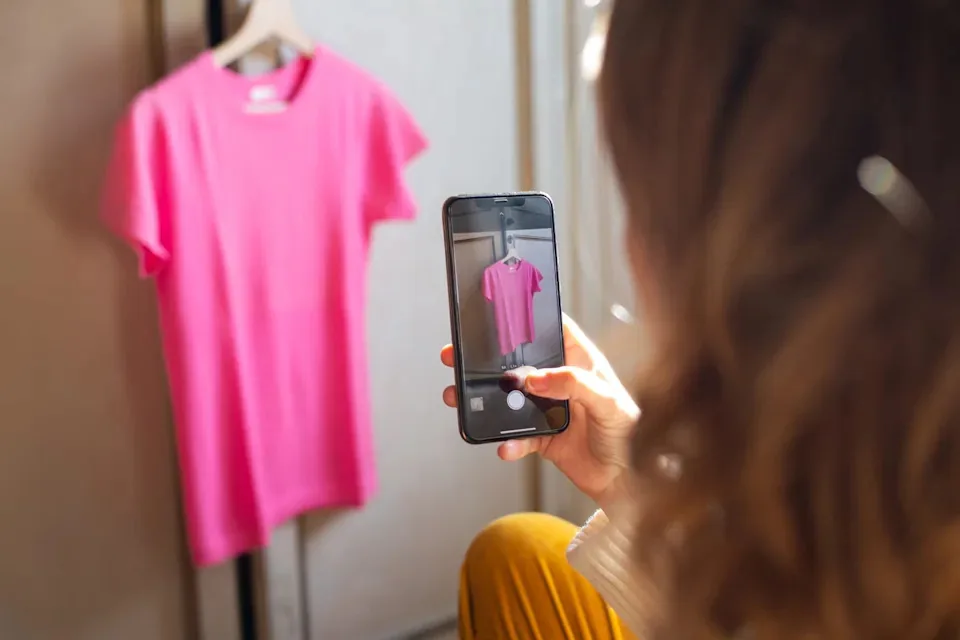
Members can list a stroller, lamp, coffee table, school bag, small appliance, or box of toys, choose a Dubai area, add clear photos and a practical description, then let nearby users contact them. Because the experience is built around giving rather than selling, the focus stays on speed, trust, and getting useful items into new homes with minimal friction.
Hiiba is more than a marketplace or classified site. It is a sharing ecosystem and peer-to-peer exchange platform, designed for circular reuse and a human-centred, trust-based community. Over time, local groups, buildings, and businesses can also plug into this second-life channel to connect with people who care about reuse rather than one-off transactions.
What to keep in mind
Hiiba is designed for communities that want simple and safe ways to exchange free items and give a second life to products. It works especially well in places like Dubai, where people move homes, refresh interiors, welcome new children, upgrade devices, and change routines often, creating a steady flow of items that still have practical value.
The app does not aim to make every item perfect; it aims to make every useful item easier to pass on responsibly. If the photo is honest, the pickup is clear, and the communication is respectful, the exchange can stay straightforward for both giver and receiver, supporting a fair, non-anonymous trading environment.
Hiiba’s approach supports a circular reuse loop: a giver frees space at home, a receiver gets something they need, and the city keeps materials in use for longer. This model suits people and organisations who value sustainability, low-friction exchanges without heavy negotiation, and a sense of community rather than a traditional store experience.