
Secure Cushions and Small Parts for Handover
What this page covers
Secure Cushions and Small Parts for Handover
Before handing over outdoor or balcony furniture, keep cushions and loose parts together so the next person can see what is included and collect everything in one trip.
A simple, organised handover helps prevent missing pieces, reduces confusion about what belongs with the item, and limits unnecessary back-and-forth during a giveaway.
In brief
- Gather cushions, covers, screws, caps, clips, and any other loose parts with the main furniture before pickup or handover.
- Keep matching pieces together so the recipient can quickly see what belongs to each chair, table, bench, or storage item.
- If anything is missing or packed separately, say that clearly when arranging the giveaway so the handover stays straightforward.
What to do
Start by checking the full outdoor furniture set and collecting every removable item that goes with it. Here, the main focus is on cushions and small parts because they are easy to overlook during storage, cleaning, or moving.
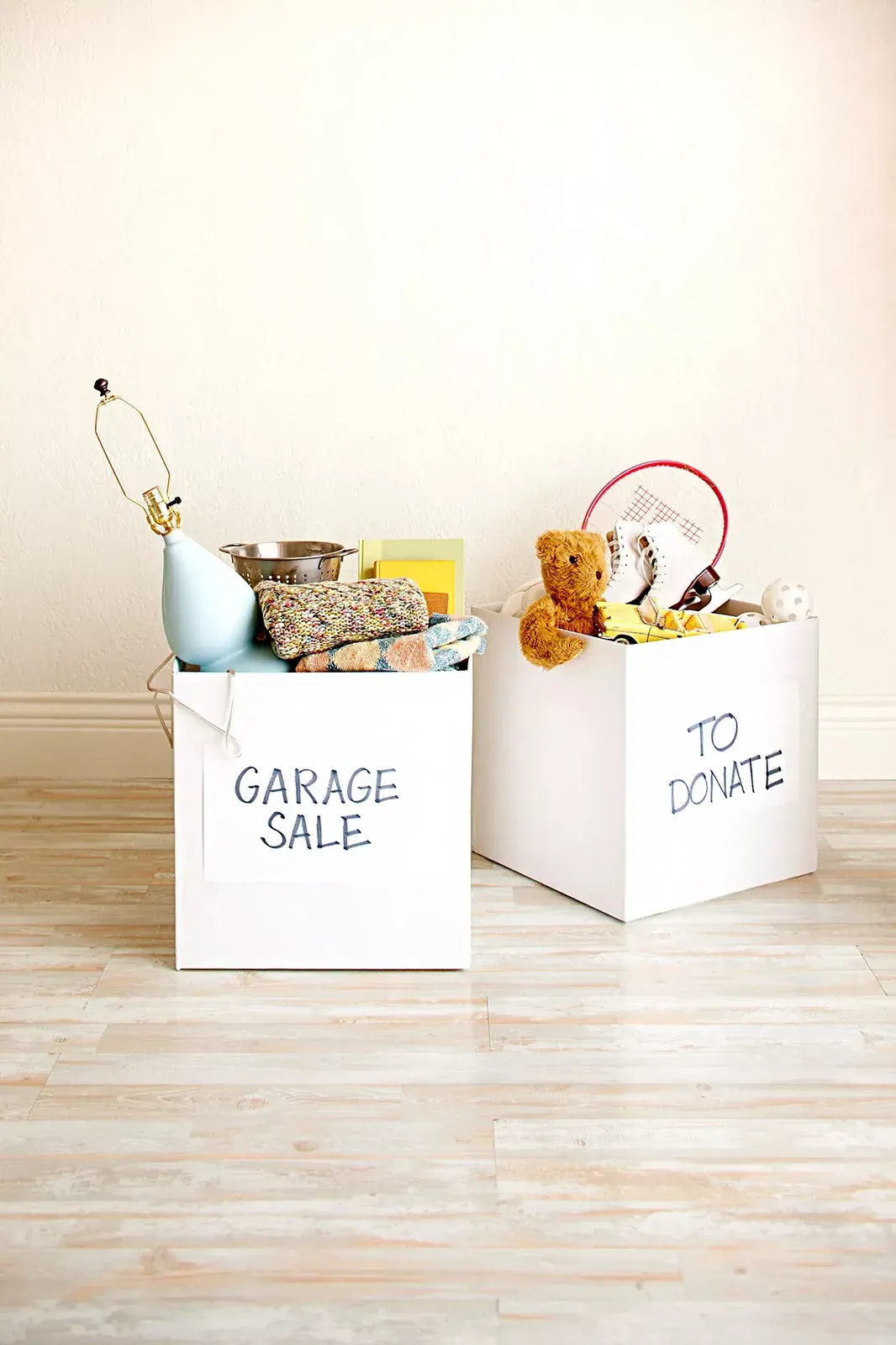
Next, place loose items where they are easy to inspect and carry. Stacked cushions and small parts kept in one bag or container can make pickup clearer, especially on balconies, terraces, or in apartment buildings where handover may be quick.
Before the final handover, do one last check to match the main furniture with the extras that come with it. This helps you pass the item on as a more complete set and makes collection simpler for the next person.
What to keep in mind
This is most useful when the furniture has removable cushions, matching covers, or small accessories that may have been separated over time. Keeping them together makes the handover easier to understand.
It matters less for a single solid piece with no loose components. If the furniture also needs cleaning or wider preparation, it may help to review the broader outdoor furniture reuse guide and the page on preparing outdoor furniture for a giveaway.
Because the available detail here is limited, the safest approach is to stay practical and clear: keep related parts together, present them neatly, and say plainly if anything is separate, unmatched, or not included.