
End-of-Tenancy Item Sorter: Keep, Give Away or Dispose
What this page covers
End-of-Tenancy Item Sorter: Keep, Give Away or Dispose
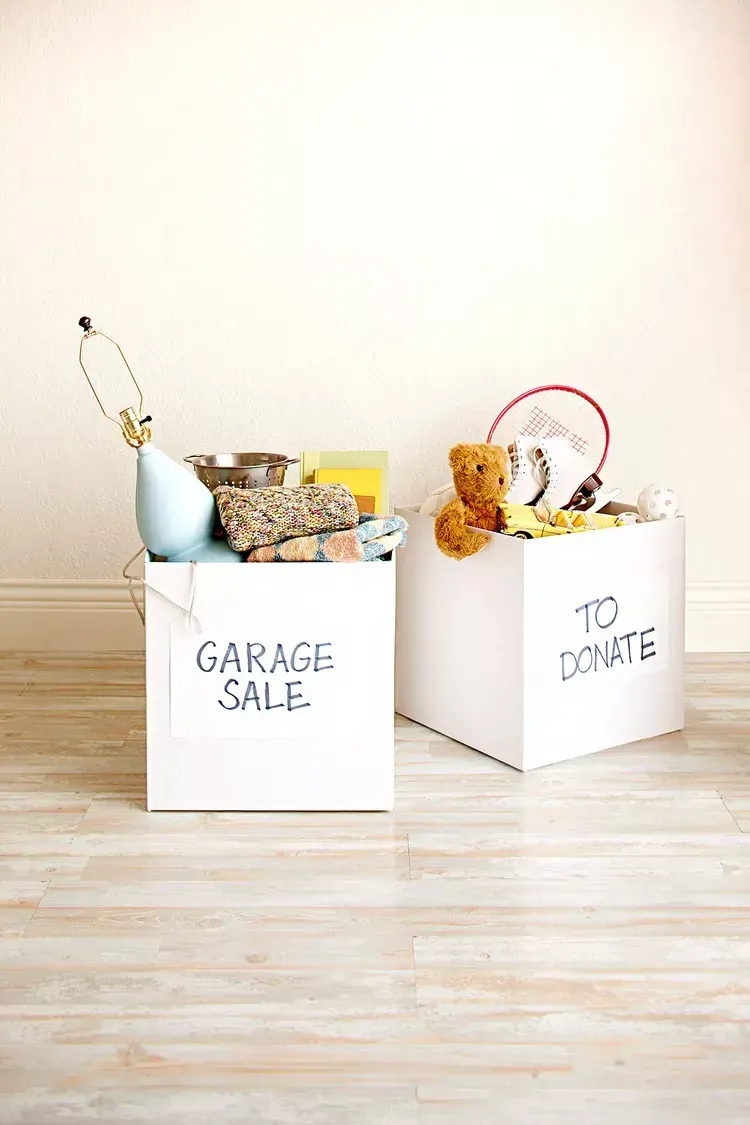
When you are sorting items before moving out, begin with condition. If something is still usable, clean enough to pass on, and worth keeping, it usually belongs in the keep or give-away pile rather than straight to disposal.
A simple keep, give away, or dispose check makes end-of-tenancy decluttering easier. It helps you separate useful items from damaged, low-value, or awkward-to-handle things before the final handover date gets too close.
In brief
- Check condition first. If an item still works, is usable, and can be passed on without much extra effort, keep it or give it away instead of throwing it out too quickly.
- Separate reusable items from things that are damaged, worn out, or difficult to move, recycle, or hand over. That makes the final clear-out faster and more practical.
- Flag items that may need extra handling early. Large, bulky, broken, or mixed-material items can slow down your move-out if you leave them until the last minute.
What to do
Start with a quick condition check. This is the easiest first filter when you need to make decisions fast. If an item still works properly, feels fit for use, or would still be useful in another home, it is a strong candidate to keep or give away.
Next, think about whether the item is realistically reusable. Some things are ready to pass on as they are. Others need cleaning, minor fixes, or more effort to move. Separating these early helps you avoid mixing good giveaway items with things that are likely to be discarded.
Create a separate pile for anything that may complicate the move-out. Broken furniture, worn mattresses, damaged electronics, or bulky household items often need a different plan. Identifying them early keeps your end-of-tenancy clear-out more organised and less stressful.
What to keep in mind
This sorter works best as a simple decision tool, not a full disposal guide. The most useful checks are condition, practical reusability, and whether an item will be easy to keep, give away, transport, or remove before handover.
Some items are easy to place because they are clearly usable and ready for another person. Others may still have some value, but the effort needed to clean, repair, carry, or clear them can affect whether keeping or giving them away still makes sense.
Not everything fits neatly into one category on the first pass. If an item is still useful and easy to rehome, giving it away is often the better option. If it is damaged, difficult to handle, or no longer practical to keep, disposal may be the more sensible choice.