
Inspect Chips, Cracks, Rust and Food-Contact Surfaces
What this page covers
Inspect Chips, Cracks, Rust and Food-Contact Surfaces
Before passing on kitchenware or tableware, check each item for visible damage on any part that comes into contact with food. This helps you separate clearly usable pieces from items that may need to be kept aside.
Look for obvious issues such as chips, cracks, rust, and worn food-contact surfaces. If you are unsure about an item's condition, describe it carefully and avoid presenting it as a simple ready-to-use piece.
In brief
- Check plates, bowls, cups, pans, lids, cutlery, and serving pieces for chips, cracks, rust, or heavy wear on surfaces that touch food.
- Separate damaged or uncertain items from complete usable pieces so sets and listings are easier for others to understand.
- When creating a listing, include a clear condition note along with the material, size, and piece count so expectations stay realistic.
What to do
Start with a basic visual check. Pick up one item at a time and inspect rims, bases, handles, edges, and inner surfaces. For tableware, look for chips and cracks. For metal kitchenware, look for rust or visible wear where food would touch the item.
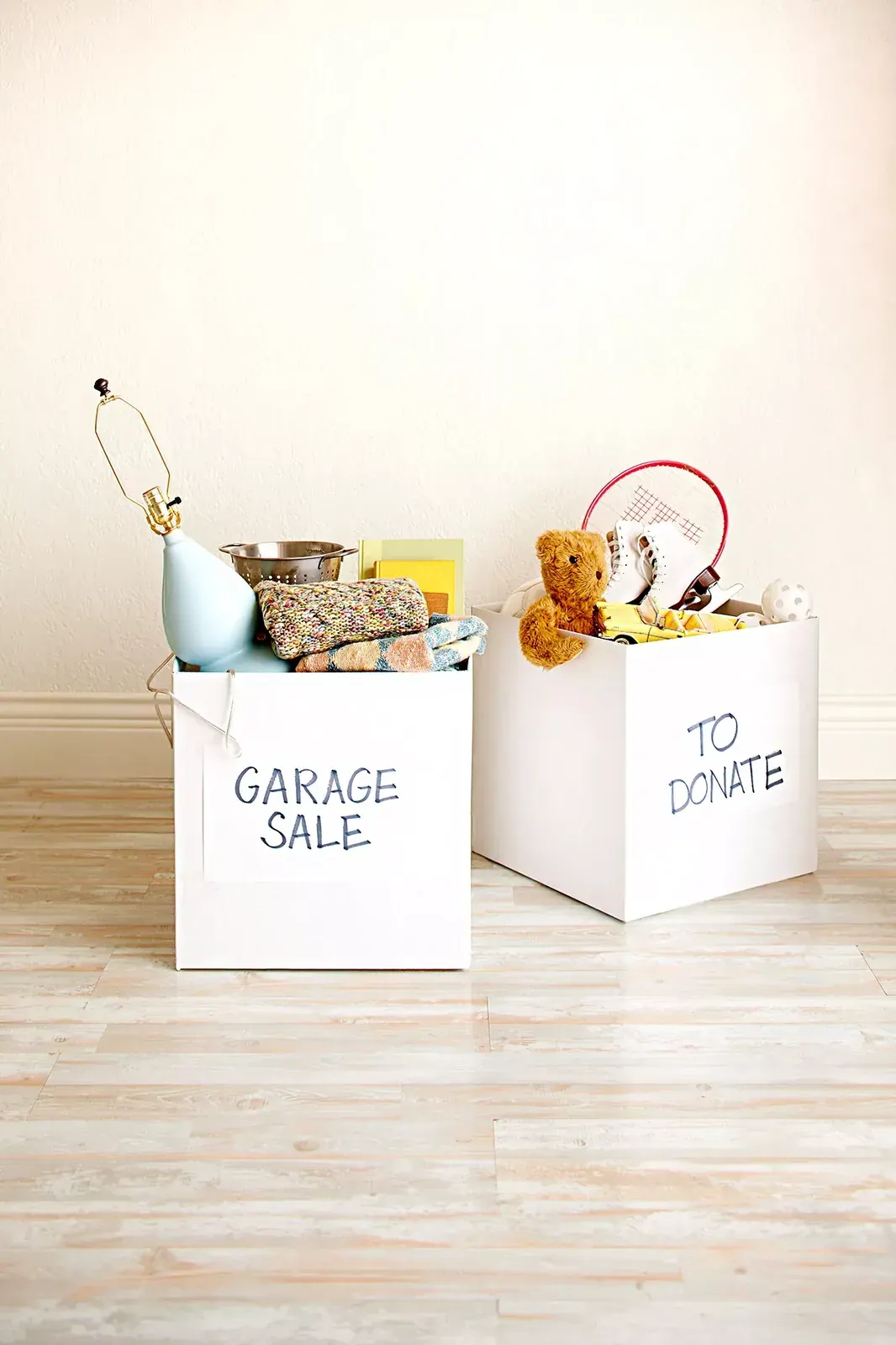
After checking each piece, sort everything into clear groups. Keep complete usable items together, and set aside anything damaged, incomplete, or uncertain. This makes it easier to group full tableware sets without mixing them with lower-condition pieces.
When preparing a giveaway or listing, describe the condition in simple direct language. Add that note next to the material, size, and piece count. Clear condition details help people quickly understand what is being offered.
What to keep in mind
This page covers one practical step in a kitchenware and tableware reuse process. It is most useful when sorting household items before giving them away and trying to present them in a clear organised way.
The guidance here is general and focuses on the visible issues named in the topic. It does not replace your own judgment about whether an item should be passed on for food-contact use. If the condition is unclear, a careful description is safer than a confident claim.
This step works best alongside the related tasks in the same guide. After checking condition, you can group complete tableware sets, list material, size, and piece count, and prepare breakable kitchenware for packing or handover.