
How to Check Free Items Nearby
What this page covers
How to Check Free Items Nearby
If you are clearing out your home in the UAE, many things you no longer use can become valuable free finds for someone else. Items like music, movies, video games, books, and linens can often be passed on instead of thrown away, turning clutter into useful goods for people living close by.
You can list items that might still have value on local reuse apps, resale or consignment platforms, or direct them to places that welcome donations. Thrift stores, local hospitals, schools, childcare centers, and animal shelters often accept suitable items, helping them reach people or animals who can use them at no monetary cost to the recipient.
On Hiiba, you will be able to list items you want to give away and make them visible to people nearby who are actively looking for free, pre-loved goods in the UAE.
In brief
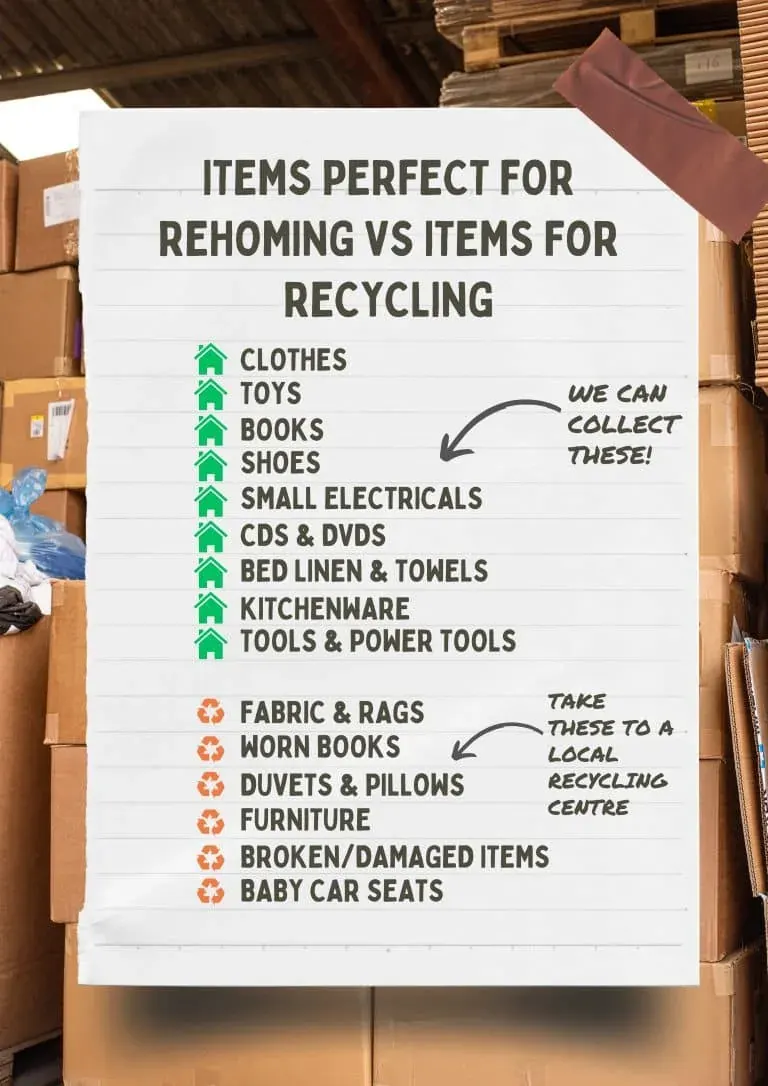
- Start by identifying items that are still usable, such as CDs, DVDs, video games, books, and vinyl records, which may be collector’s pieces or everyday essentials for someone else rather than trash.
- Check local options that accept donations, including thrift stores, hospitals, schools, childcare centers, and animal shelters, which can redistribute items like media, linens, towels, and rugs to people or animals who need them.
- Use local online tools and community apps to see what is available for free nearby. Platforms like Hiiba are being built to let people in the UAE list items they want to give away and help neighbors quickly find and request those free items.
What to do
To check what free items might be available nearby, it helps to know where unwanted but usable goods usually go and how to see them in one place. People often pass on music, movies, and video games by listing them on reuse apps, resale sites, or taking them to local music stores or consignment shops. When these items are donated instead, thrift stores can make them available at low or no cost to others, and institutions such as hospitals, schools, or childcare centers may accept collections of children’s movies or games for their own use.
Larger household items and materials follow a similar pattern. After a home remodel, surplus building materials and appliances can be donated to organizations that collect cabinets, doors, flooring, windows, and similar goods, then resell them at discounted prices to support charitable housing work. By checking with such outlets in advance, you can learn what they accept and when, which in turn tells you what kinds of items are likely to appear there for others to pick up at little or no cost.
Electronics and general household clutter are often routed through recycling, donation, and community listing channels that also create opportunities for free or very low-cost adoption. Old cell phones can go to charities that refurbish or recycle devices, and many electronics retailers run collection programs. Local social media pages and neighborhood groups in the UAE sometimes allow people to list items they want to give away, and online yard-sale style sites let households move books, music, clothing, and other goods out of their homes. Hiiba is designed to bring this idea into a single, easy app, so people can clearly see what free items are nearby and request what they need.
What to keep in mind
Free items nearby usually come from people with limited storage space or a desire to avoid waste, who are happy to pass things on at no monetary cost. At the same time, existing marketplaces often focus on paid buying and selling, so free listings can be harder to spot and may disappear quickly once someone claims them.
Because information is often scattered across different apps, groups, and noticeboards, it can be difficult to know whether a free item is still available or what condition it is in. Donors may provide only brief descriptions or a few photos, which means anyone interested in adopting an item needs to review details carefully and sometimes ask additional questions before arranging a handover.
Shared households and buildings can quietly generate a steady flow of reusable goods, but coordinating who gives and who takes can be confusing without a clear system. Some people prefer to circulate items first within their own flat, then to nearby residents, using simple listings or local pages. A dedicated reuse app like Hiiba aims to make this kind of small, local network easier to manage, giving neighbors better visibility into what free items are available close by at any given time.