
Free Reuse Classifieds in the UAE
What this page covers
Free Reuse Classifieds in the UAE
Free reuse classifieds give people in the UAE a simple way to pass on usable household items, clothing or electronics at no cost instead of sending them to landfill. They work like a virtual free store, where you list what you want to give away and others can see if it matches what they need.
Well-run reuse spaces show that a bit of structure makes a big difference: clear details, simple rules and light review help keep quality high and make it easier for givers and takers to connect. This page looks at how that thinking can apply to free reuse classifieds in the UAE context, alongside new app-based options such as Hiiba.
In brief
- Free reuse classifieds focus on giving items away, acting like an online free store for a mix of household goods, clothing and usable electronics that still have life left in them.
- Experience from managed free stores shows that quality control and clear rules are important, so items stay suitable for reuse and the space does not turn into a dumping ground for broken or unsafe goods.
- Reuse programmes in many places have diverted large amounts of material from landfill, suggesting that structured free listings and reuse apps can support both community needs and local waste‑reduction goals in the UAE.
What to do
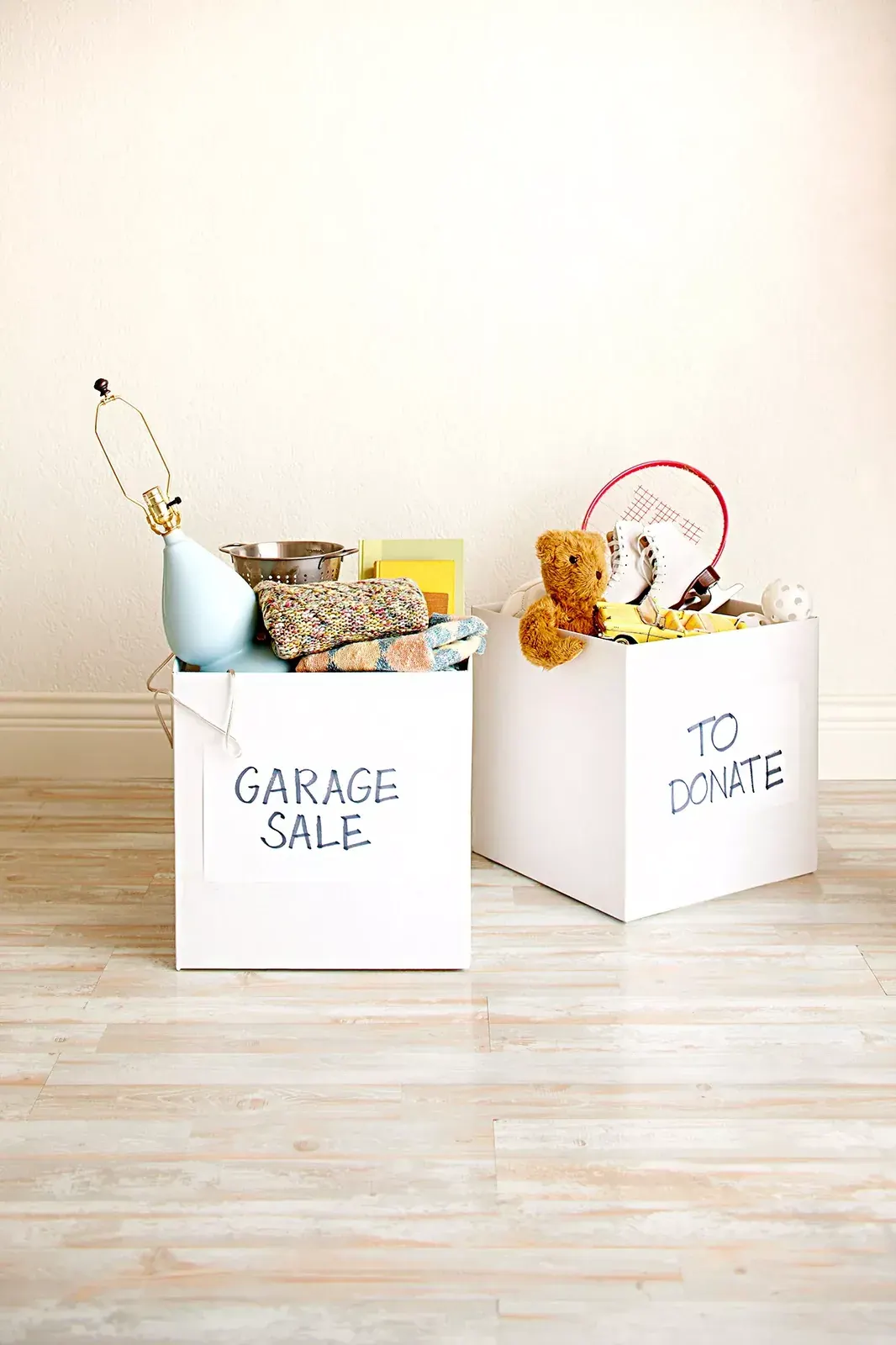
A practical model for free reuse classifieds is the “free store” approach, where people donate items and others browse what is available. In one example, residents drop off household items, clothing and some electronics, while staff check that donations are suitable for reuse and restrict items that are clearly unusable. Translated into classifieds or an app, this means encouraging clear photos, honest condition notes and simple categories so people can quickly see what is worth collecting.
Managed reuse spaces also show how light governance keeps things working smoothly. When capacity is tight, they temporarily limit donations and communicate clearly so people know when to bring items. Online, the equivalent is setting expectations about how many listings a giver can post at once, nudging people to close listings when items are taken, and using basic moderation. This kind of structure helps avoid cluttered feeds and reduces frustration for both givers and receivers.
Free reuse initiatives are often part of wider waste‑reduction strategies. One facility tracks items with a basic weigh‑in, weigh‑out system and has diverted hundreds of thousands of kilograms from landfill while supporting schools, charities and upcycling projects. While classifieds do not weigh items, they can still support similar goals by nudging people to give away items that are hard to recycle but easy to reuse, and by highlighting that reuse is a cost‑effective alternative to disposal services or paid classifieds.
What to keep in mind
Experience from the UAE classifieds market shows that trust and visible accountability are essential for any high‑churn community platform. Users respond to signals such as verified profiles, pre‑publication review and clear reporting tools; without these, a reuse marketplace can feel unmanaged and risky, especially where scams and fake listings are a known concern.
Local authorities and platforms in the UAE already warn about scam flows that start with fake websites, payment links or impersonation around delivery. For free reuse classifieds and reuse apps, this points toward keeping communication in‑app, setting clear boundaries around links and payments, and using strong identity confirmation to reduce exposure to common fraud patterns.
Practical constraints in UAE buildings also shape how free items change hands. Move permits, elevator bookings and deposits are normal in many communities, so a realistic reuse flow needs structured collection details and time windows rather than open‑ended chat. Community guidelines, similar to Buy Nothing Project rules, can also help: discouraging pressure tactics, clarifying pick‑up responsibility and being transparent if someone intends to resell an item all support a healthier, longer‑lasting reuse culture.