
Baby Item Donation vs Direct Family Giveaway
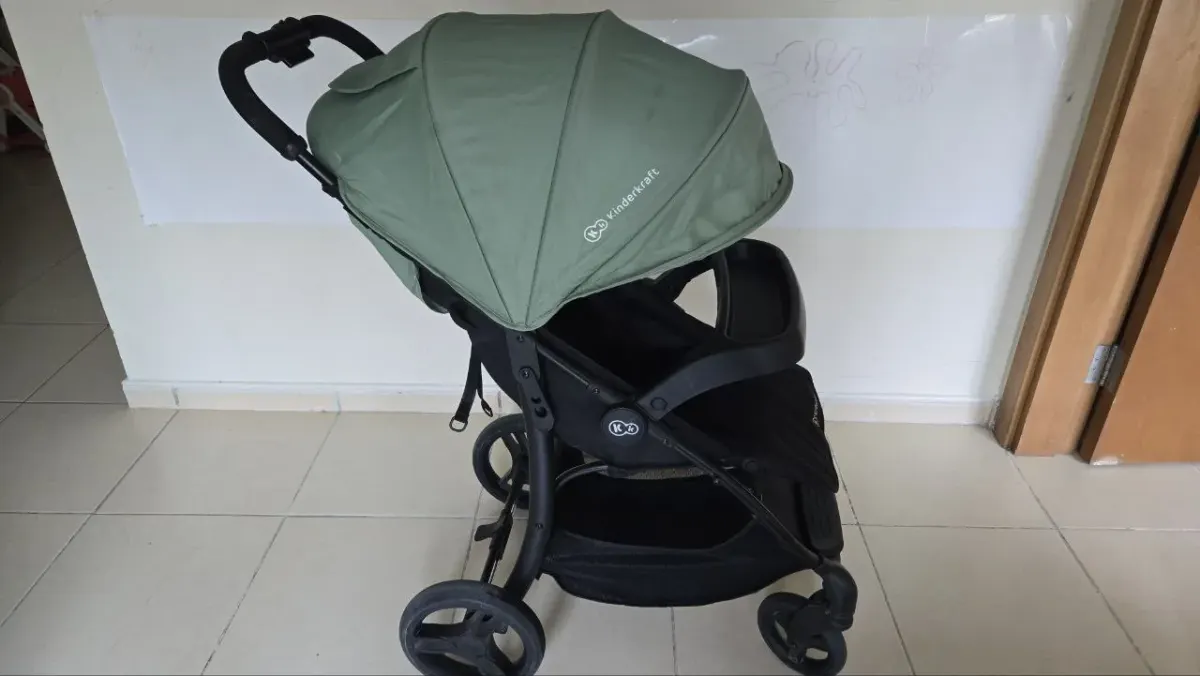
What this page covers
Baby Item Donation vs Direct Family Giveaway
If you are choosing between donating baby items and giving them directly to another family, the main difference is how much control and clarity you want in the handover. Clear photos, honest condition notes, and accurate item details help the next family decide with confidence.
A direct family giveaway can work well when you want an item to go straight to someone who needs it now. If coordination feels informal, a simple listing with clear expectations can make the process easier for both sides.
In brief
- Choose the option that lets you describe the item's condition clearly, so the next family can judge whether it is suitable before arranging pickup.
- A direct family giveaway can suit households passing on short-term baby items they no longer need and want another family to use soon.
- If the handover feels uncertain, focus first on accurate details, current condition, and practical pickup expectations.
What to do
The most useful way to compare donation with a direct family giveaway is to start with the item itself. Baby items are easier to pass on when the condition is described plainly and the recipient can see what is being offered. If you want a smoother handover, lead with clear, factual details.
A direct family giveaway may be the better fit when you want the item to reach a family quickly. This can be helpful for temporary-use baby gear, outgrown essentials, or bulky items you do not want to keep in storage. It also gives both sides a clearer view of the exact item being handed over.
Donation can feel easier in some cases, but this page does not confirm specific charity rules, intake standards, or drop-off processes. What is supported here is simple: choose the route where the item's condition, cleanliness, and handover expectations can be communicated most clearly.
What to keep in mind
This page is most useful for people sorting through baby items they can still pass on and deciding the best way to do it. It is especially relevant when the item is no longer needed, space is limited, or another family will want to review the condition before requesting it.
The guidance here is intentionally practical and limited. It supports careful attention to condition, accurate listing details, and clear communication before a handover. It also reflects that informal sharing can be harder to coordinate, which makes clarity more important.
This is not a legal, safety, or charity-policy guide. It does not confirm who will accept an item, how pickup should work, or what standards any organisation may apply. It is a simple decision aid for choosing the clearest and most responsible reuse route.