
Reuse Campaign Checklist for UAE Communities and CSR Teams
What this page covers
Reuse Campaign Checklist for UAE Communities and CSR Teams
A practical reuse campaign checklist starts with clear goals, ownership, budget, and capacity. Community groups and CSR teams usually get better results when the scope matches the time, people, and follow-through available.
For UAE-based campaigns, it often works best to keep the effort simple and accessible. A strong setup can use online listings, clear reuse guidance, regular updates, and steady promotion to help more usable items stay in circulation.
In brief
- Set clear reuse goals from the start, then define who owns the campaign, what budget is available, and how the work will be managed.
- Create a simple resource people can actually use, such as curated listings, local reuse information, or a virtual hub, and keep it updated.
- Measure what is collected and what is successfully reused, so the campaign tracks real outcomes rather than activity alone.
What to do
A grounded reuse campaign checklist begins with setup decisions. Confirm who will run the campaign, whether it will be managed internally, supported by a partner, or linked to existing community activity, and make sure the plan fits available staff time and budget.
Then focus on the resource people will use. Start small if needed with curated reuse information, free item listings, or promotion of an existing online hub, then expand only when the team can maintain the quality and accuracy of the information.
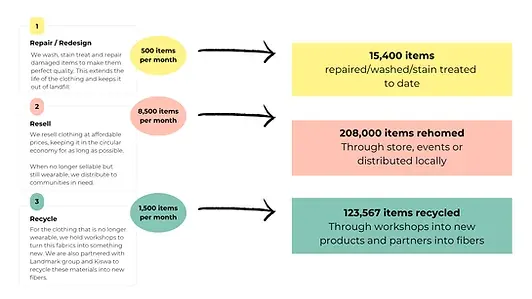
Measurement and coordination should be built in from the start. Set practical goals for reuse and recovery, track what is actually collected and rehomed, and make handovers easier with clear locations, accurate item status, and simple communication between givers and receivers.
What to keep in mind
This approach suits communities and CSR teams that want a reuse campaign people can access at any time. It is especially useful when the goal is to connect existing local activity, increase participation, and keep good items in use instead of treating them as waste.
The campaign still needs regular attention to stay useful. Information must be reviewed and updated, and results may be limited by collection rates, sorting effort, contamination, transport, or other practical and economic constraints.
Day-to-day details also affect results. Reuse activity often slows down when pickup points are vague, availability is outdated, replies are delayed, or people are unsure about the process. Clear listings and straightforward coordination help more exchanges happen successfully.