
Adopt pre-loved household items
What this page covers
Adopt pre-loved household items
Adopting pre-loved household items in the UAE is often a practical choice about speed, space, and budget. In busy apartment living, rehoming useful pieces can be easier than waiting for new deliveries or arranging bulky-waste collection.
When you see something that fits your home, you can decide quickly from clear photos and short messages on your phone. Fast replies and simple pickup plans help you solve an immediate need without adding clutter, cost, or delay.
In brief
- In large urban apartment communities with limited storage, adopting pre-loved items helps you furnish or refresh your space without long planning cycles or extra bulk at home.
- People in the UAE often choose reuse when an item is still useful and coordinating pickup is simpler and cheaper than buying new, especially with frequent move-ins, move-outs, and changing household needs.
- Fast-moving categories include furniture, carpets, children’s toys, sports equipment, used clothes, and small household goods that are easy to judge from photos and collect in a single trip.
What to do
In a market where foreign nationals make up a large share of residents, frequent relocations and short planning horizons are normal. Furniture and household turnover is high, and many items are still in good working condition when people need to clear space. Adopting pre-loved household items taps into this flow, giving you access to pieces you can evaluate quickly and pick up on your schedule.
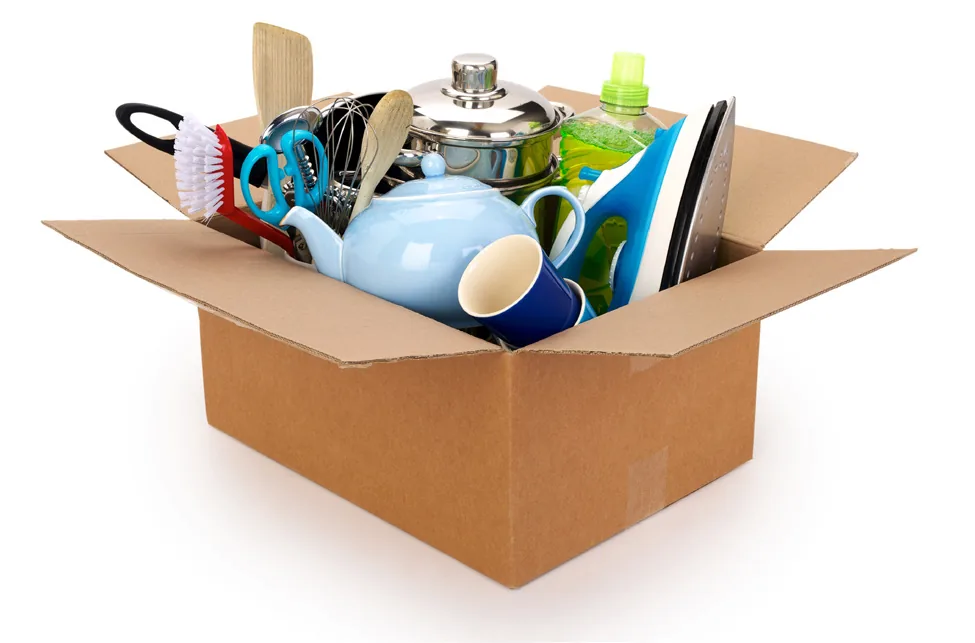
Fast-moving household categories are those with low inspection cost and low hygiene risk. Typical bulky items seen in emirate waste and reuse streams include furniture, carpets, children’s toys, sports equipment, used clothes, paper and cardboard, and small household goods. These are the kinds of things you can usually assess from a few clear photos, then collect in one trip without complex logistics.
Some categories naturally create more hesitation, especially mattresses and upholstered items, which raise sanitation questions, and electronics or electrical appliances, which raise safety and “does it still work” concerns. Practical reassurance comes from detail density: close-up photos, visible defects, and proof that an item is working or has been tested. Clear, concrete condition language such as “working” or “tested” helps you decide quickly and avoid surprises when you arrive for pickup.
What to keep in mind
Adopting pre-loved household items in the UAE happens alongside a strong “just dispose it” option. In Dubai, for example, free bulky-waste services can collect furniture and electrical or electronic waste within days via official channels, including WhatsApp. Reuse becomes attractive when an item is still useful and coordinating a handover is at least as simple as booking disposal.
This approach suits people who are comfortable making decisions in short, mobile-first bursts between work and family logistics. Near-universal internet access and high mobile connection density mean expectations for fast replies and rapid commitments are common. If you prefer to browse on your phone, exchange a few concise messages, and confirm quickly, adopting pre-loved items fits well with that rhythm.
It may be less suitable if you are very risk-averse about hygiene or safety and need guarantees beyond what photos and descriptions can provide, especially for mattresses, upholstered pieces, baby seats, or complex electronics. In those cases, you may want specialised checks or alternative channels. For everyday furniture, toys, and small household goods, however, clear photos and honest condition notes usually provide enough certainty to decide whether an item fits your home.